Ama Dablam Expedition
Ama Dablam Rapid Ascent™ Expedition
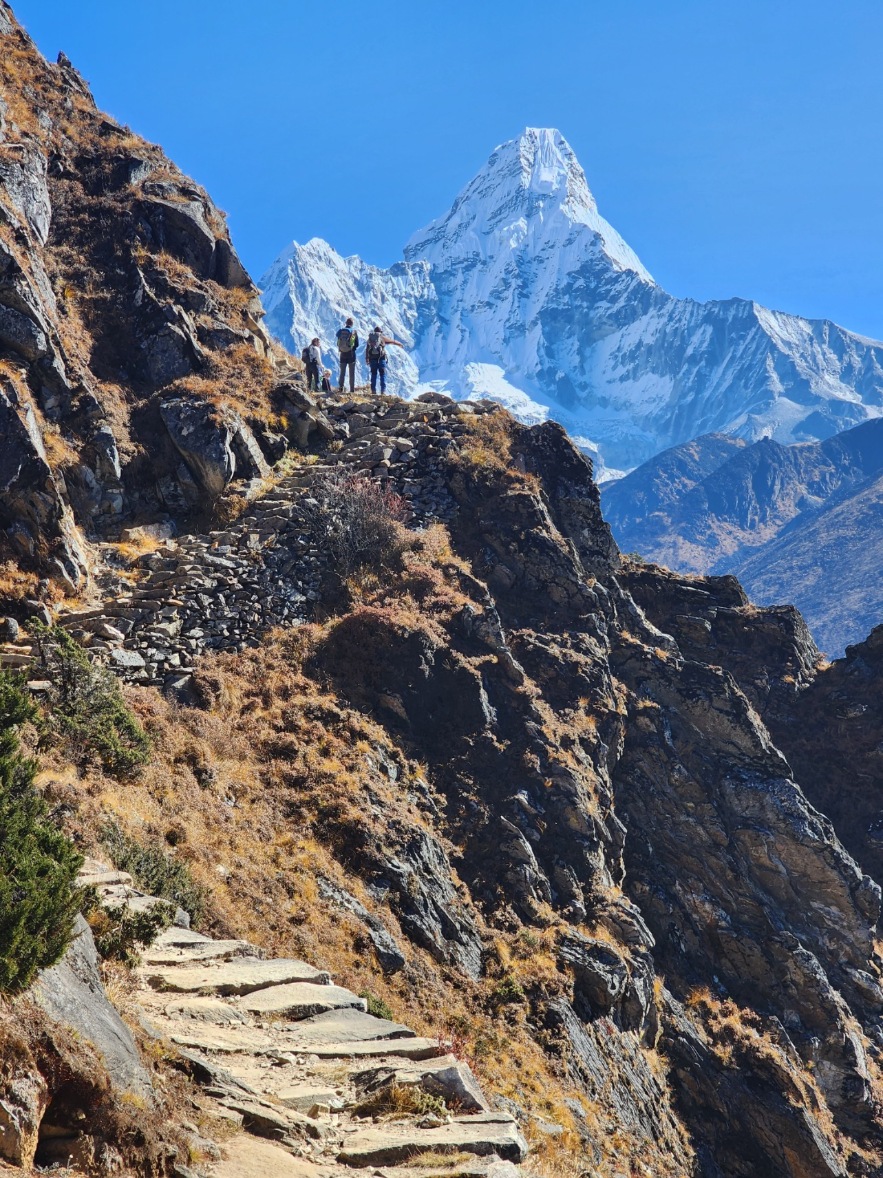
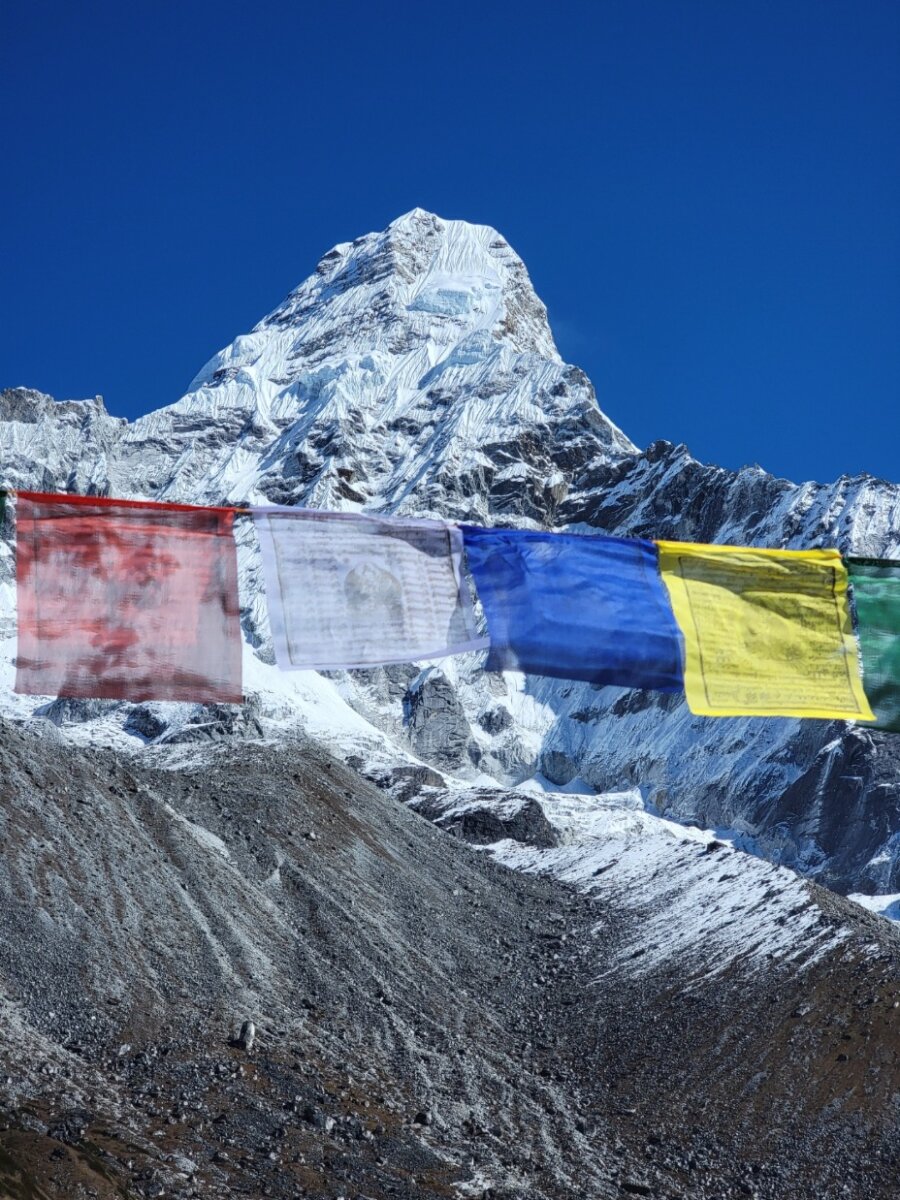
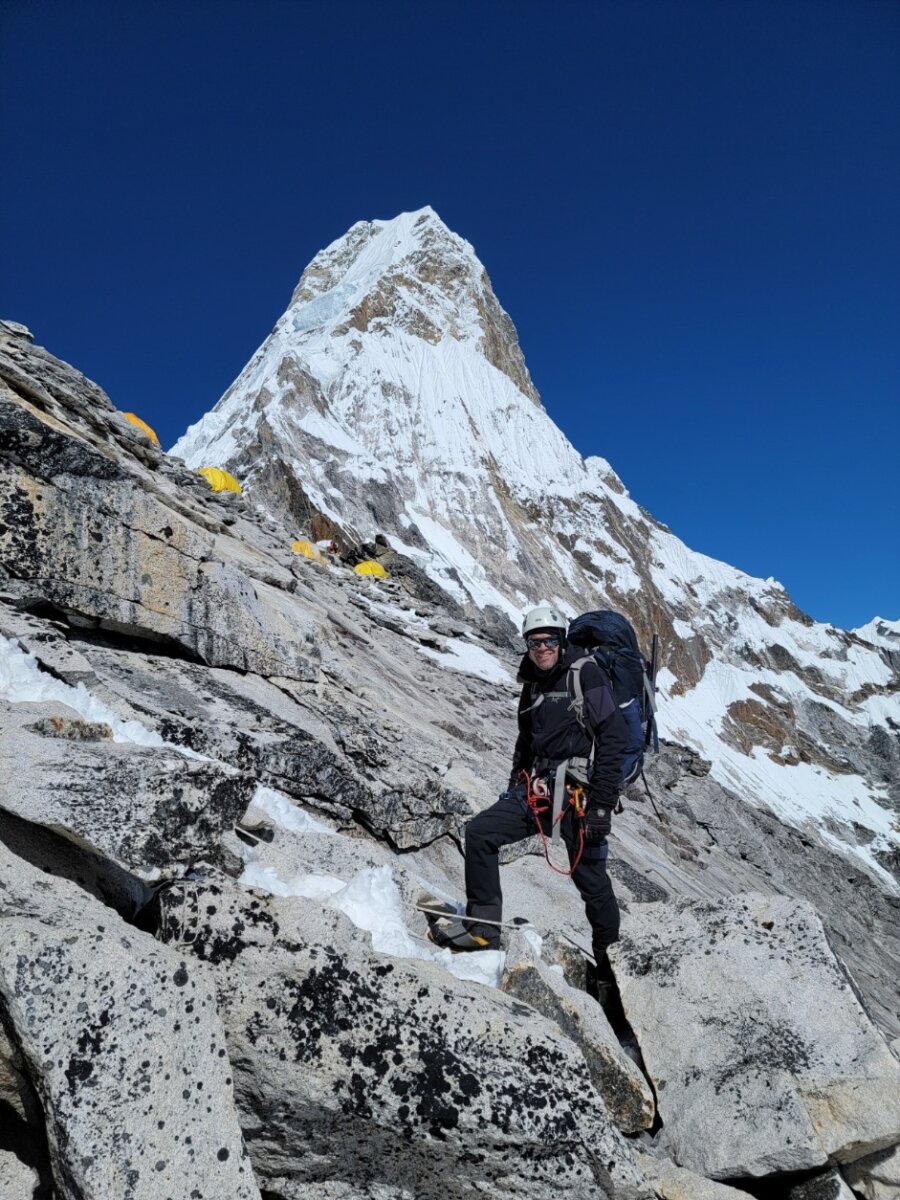
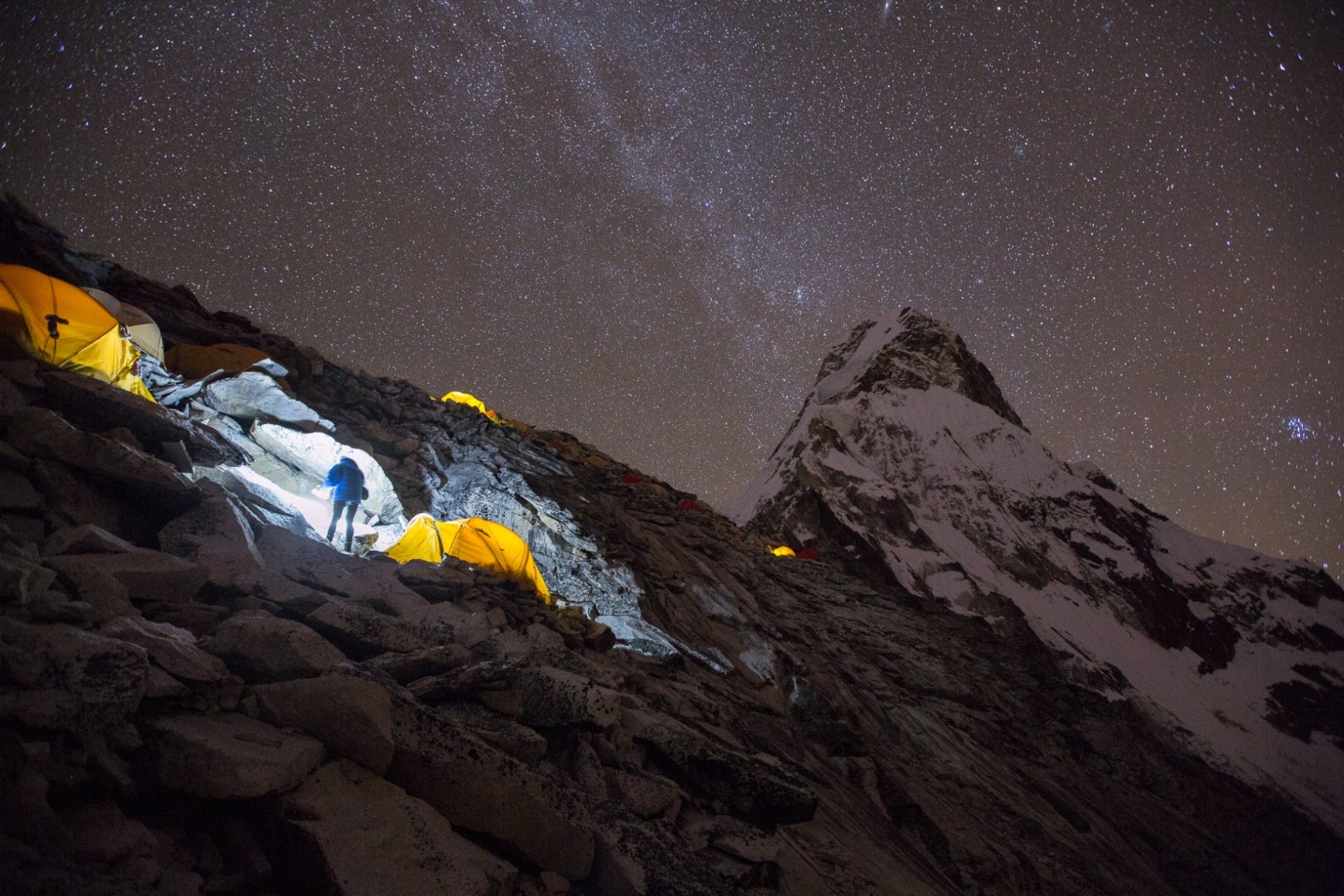
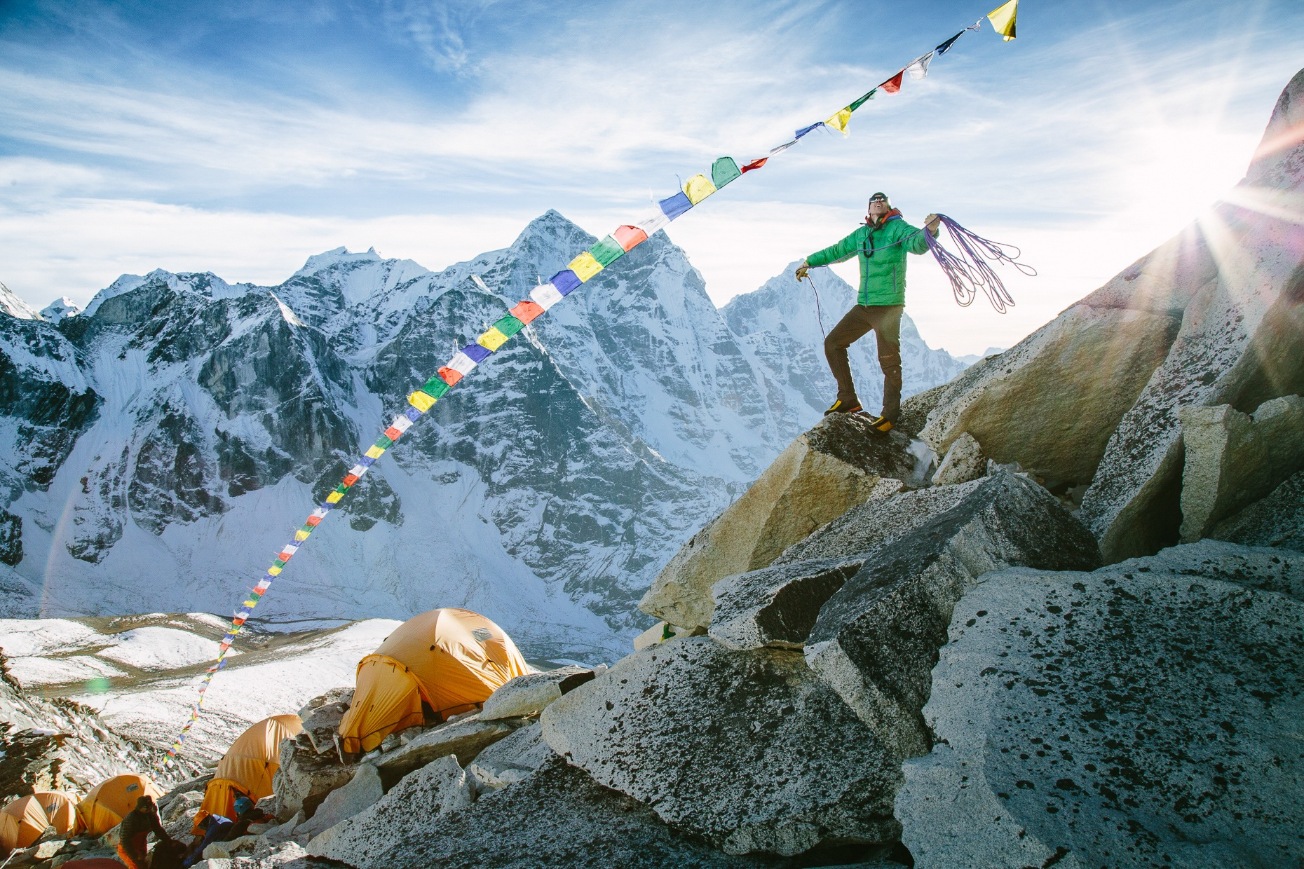
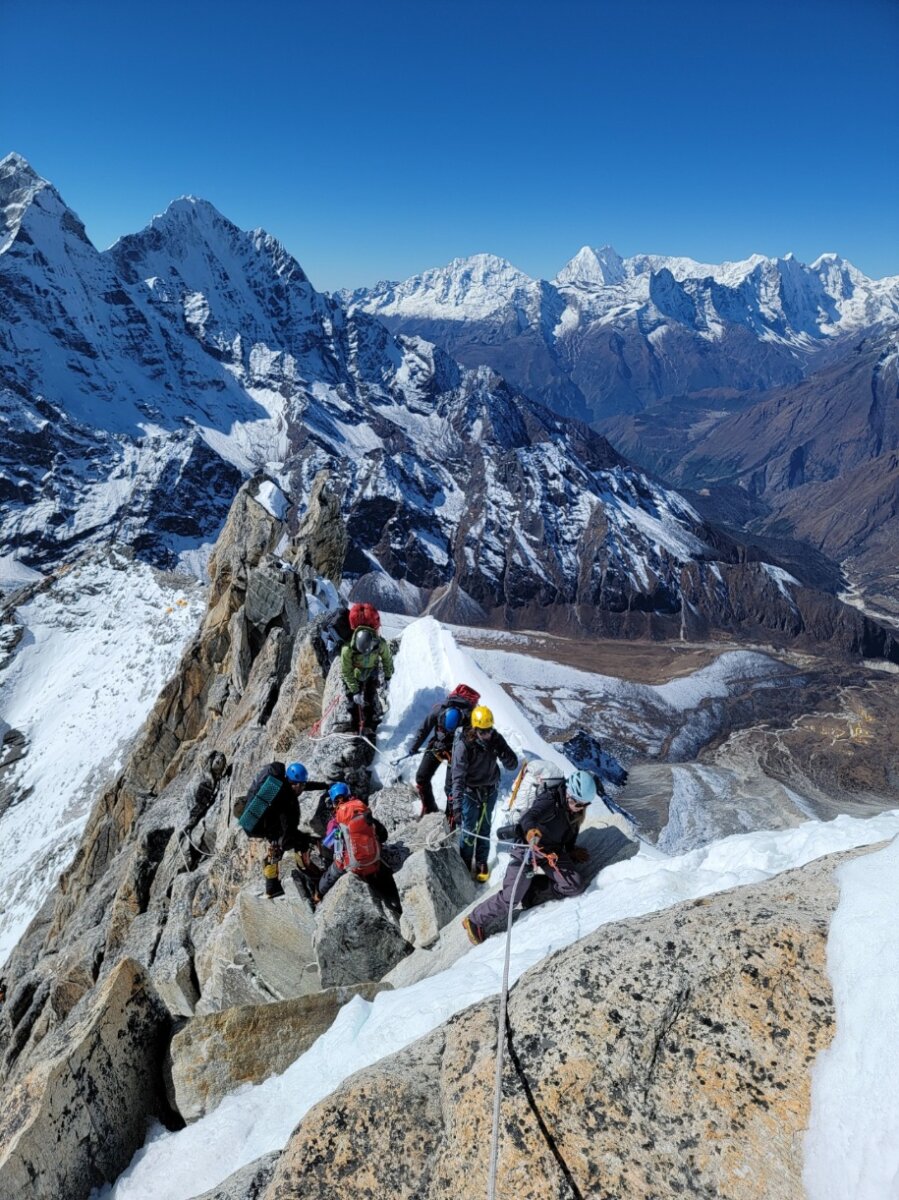
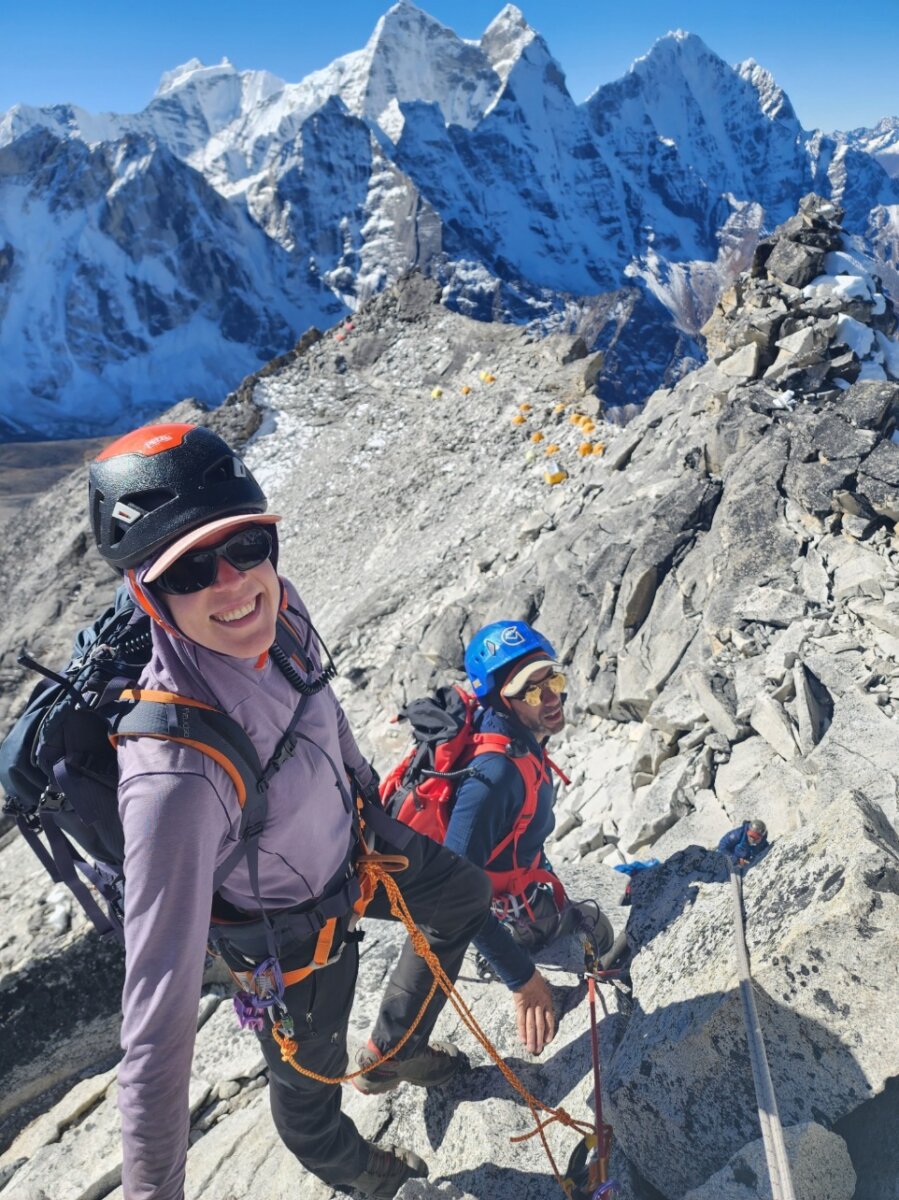
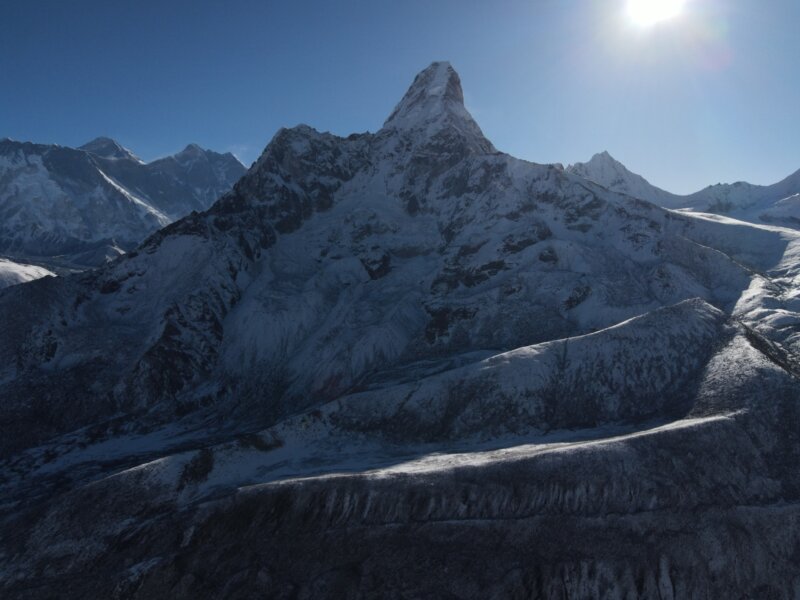
No mountain in the world captures alpine climbers’ imaginations like Ama Dablam (22,349’ / 6,812m).
It stands alone in the Solu Khumbu (Everest Valley), towering almost (10,000’ / 3050m) over the famous Sherpa villages of Thyangboche and Pangboche. With no easy route to Ama Dablam’s summit, climbing it is reserved for dedicated alpinists, who have built high altitude skills and experience. The successful climber to summit Ama Dablam will have solid multi-pitch rock and ice climbing experience, and be comfortable climbing technical terrain with a pack on, taking care of themselves in very high alpine camps, and spending days at a time in exposed terrain.
Ama Dablam Rapid Ascent™ Itinerary
- Day 1
- Arrive in Kathmandu, Nepal
After arriving, we transfer to our hotel, and begin the process of getting over jetlag.
- Day 2
- Explore Kathmandu
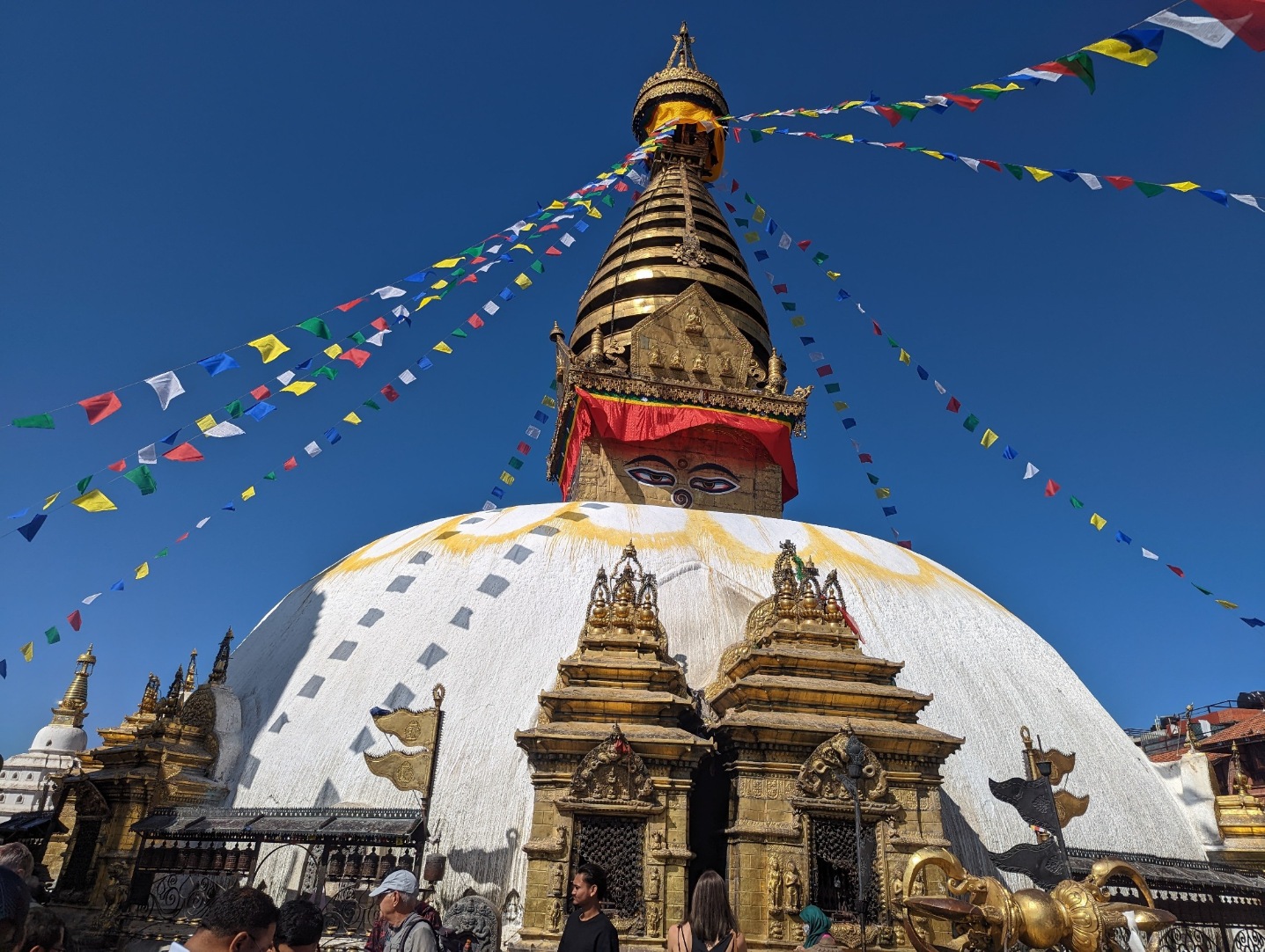
Today we explore some of Kathmandu’s most famous sites. These include Swyambunath (the Monkey Temple), Pashupati (Nepal’s largest Hindu temple), Boudanath (Kathmandu’s most important Buddhist temple) and the old city’s original central square, Durbar. We also have our first team meeting, and organize our bags for the helicopter flight to Namche.
- Day 3
- Fly via helicopter to Namche (11,300 feet / 3444m), trek to Phortse (12,450 feet / 3840m)
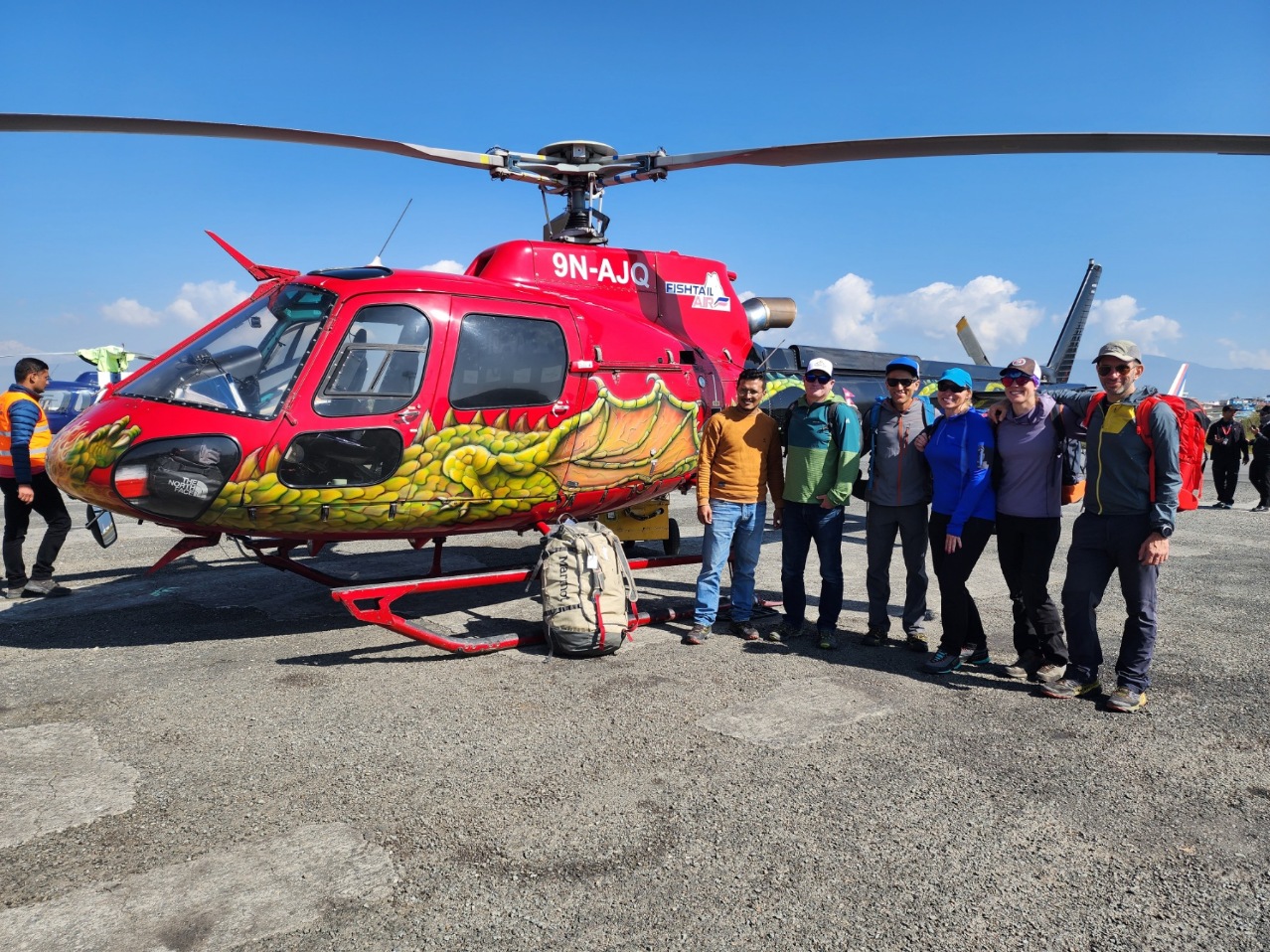
An absolutely beautiful helicopter ride delivers us to the legendary town of Namche Bazaar. From Namche we trek roughly 4 hours to Phortse (12,450 feet / 3840m).
- Day 4
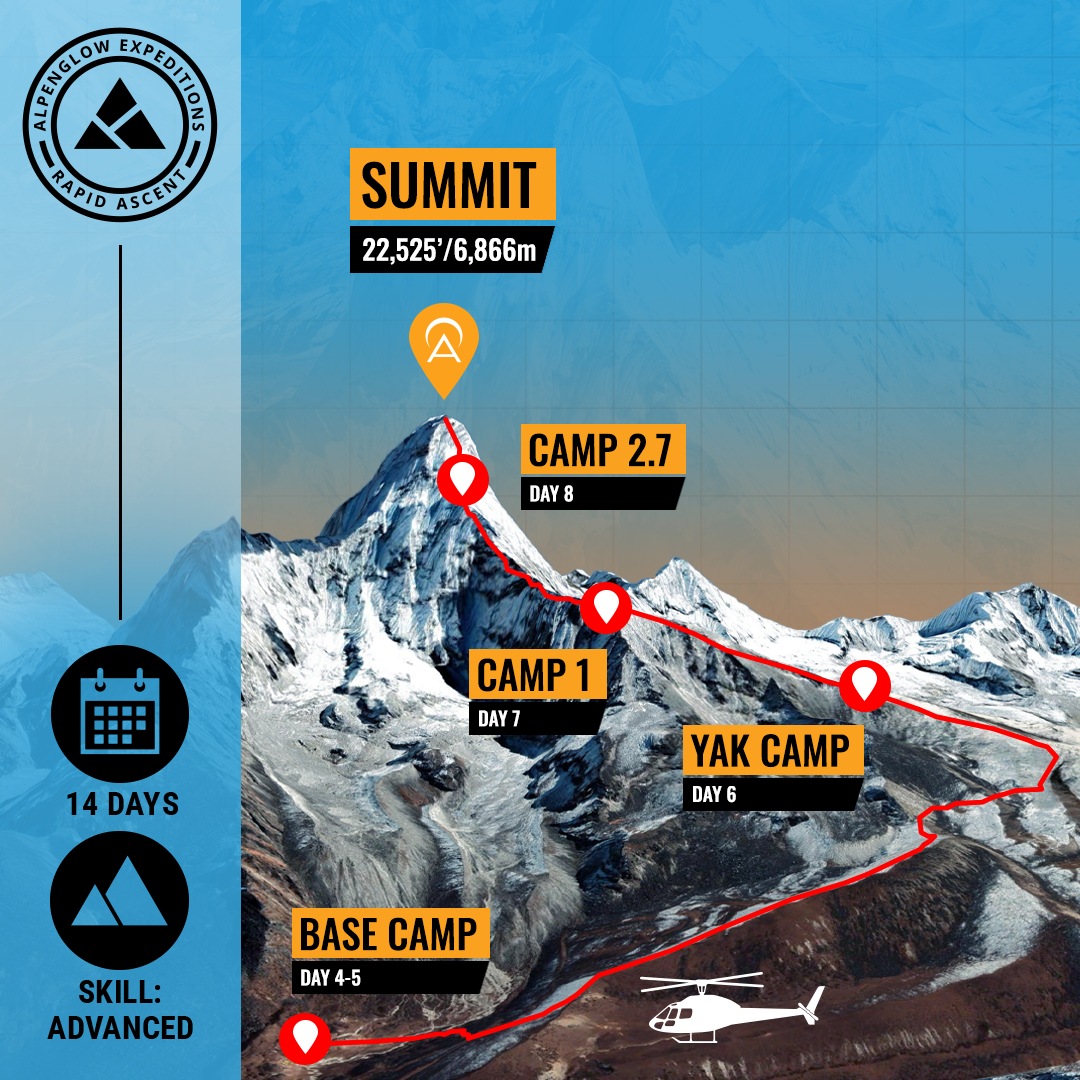
- Climb to Ama Dablam Base Camp (15,000 feet / 4570m)
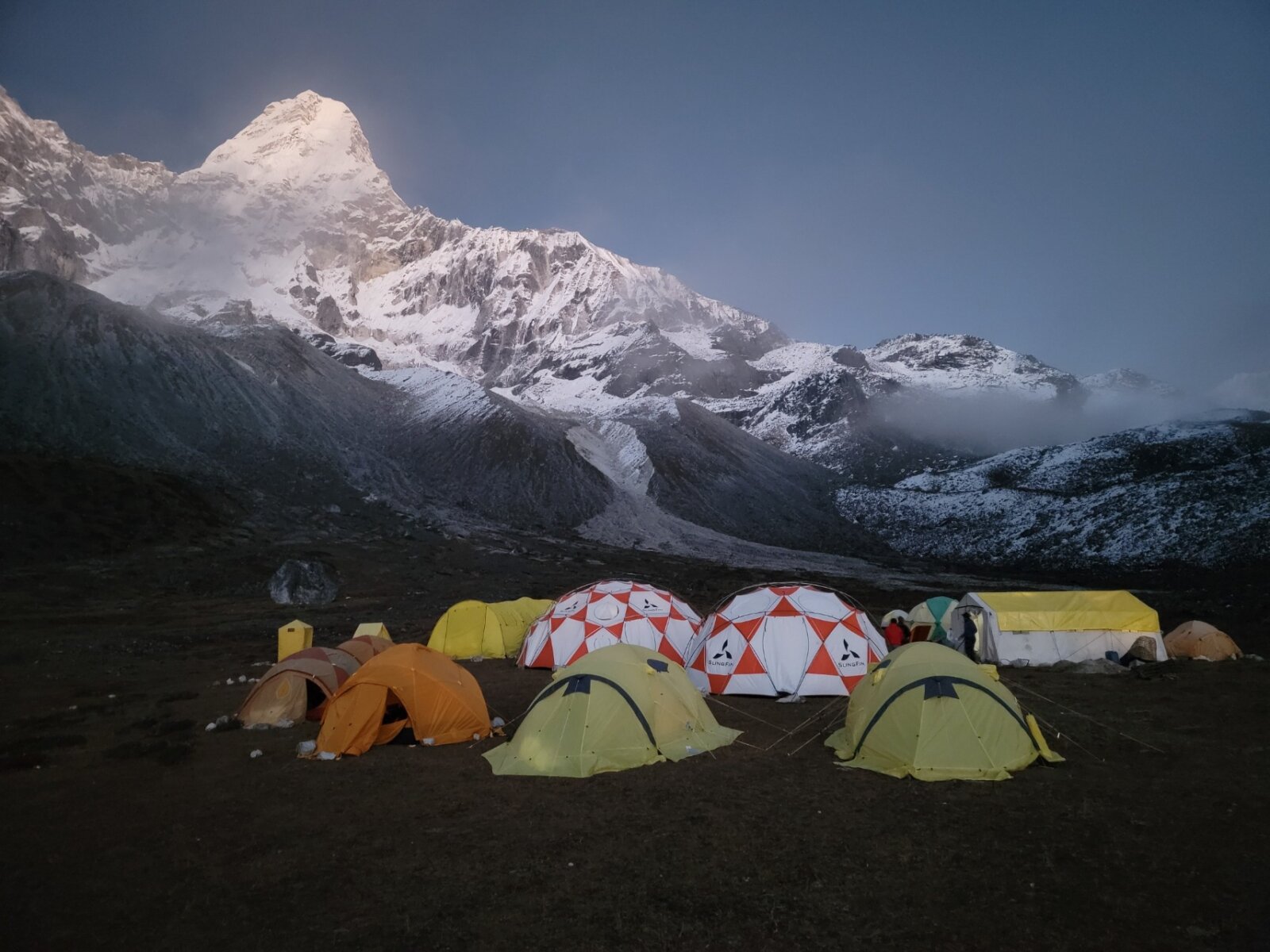
This is our first test in the Himalaya as we hike for 4 – 6 hours until we reach our comfortable base camp. Situated at the foot of Ama Dablam, we’ll be greeted by our team with hot drinks and our beautiful base camp and set up and ready to go.
- Day 5
- Rest in Base Camp
After yesterday’s trek, we’ll need to rest our legs and allow the reality that we are about to climb sink in. Part of the day will be spent practicing high altitude skills.
- Day 6
- Climb to Yak Camp (17,000 feet / 5182m)
After a big breakfast we begin hiking up along a morainal ridge with spectacular views of the mountain. We eventually join the beginning of the Southwest Ridge, at this point a large plateau, and follow it thirty minutes or so to our tents.
- Day 7
- Climb to Camp 1 (18,500 feet / 5639m)
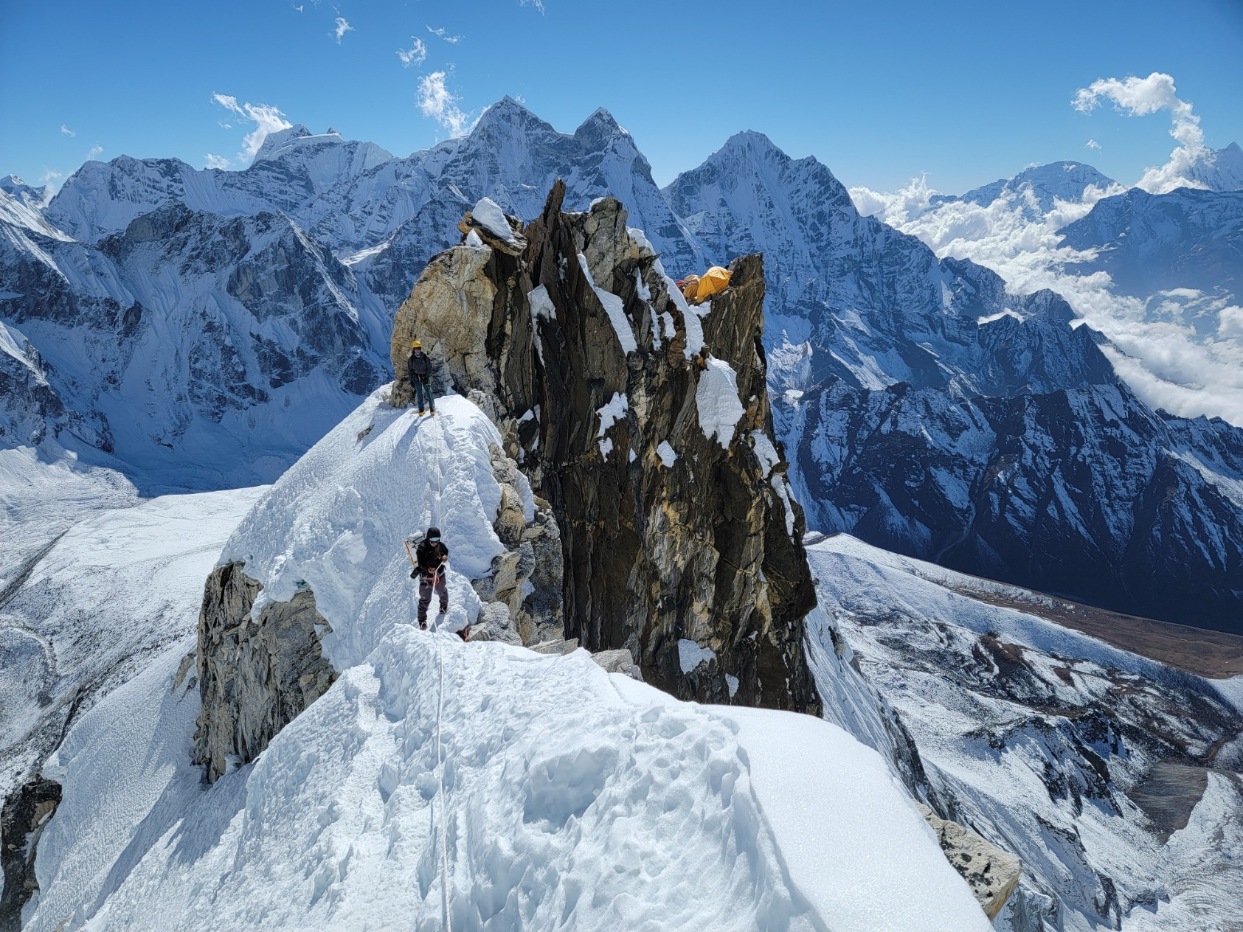
We pack our gear in Yak Camp and climb up the Southwest Ridge as it turns from a plateau to a true knife-edge. The climb begins on easy sandy trails, but quickly enters a large talus field, where we climb up and over huge granite boulders. The final few hundred feet (200 meters) are on fixed lines up a steep rock slab. The tents of Camp 1 are perched in an incredible airy position on rock platforms at the top of this slab.
- Day 8
- Climb to Camp 2.7 (20,800 feet / 6350m)
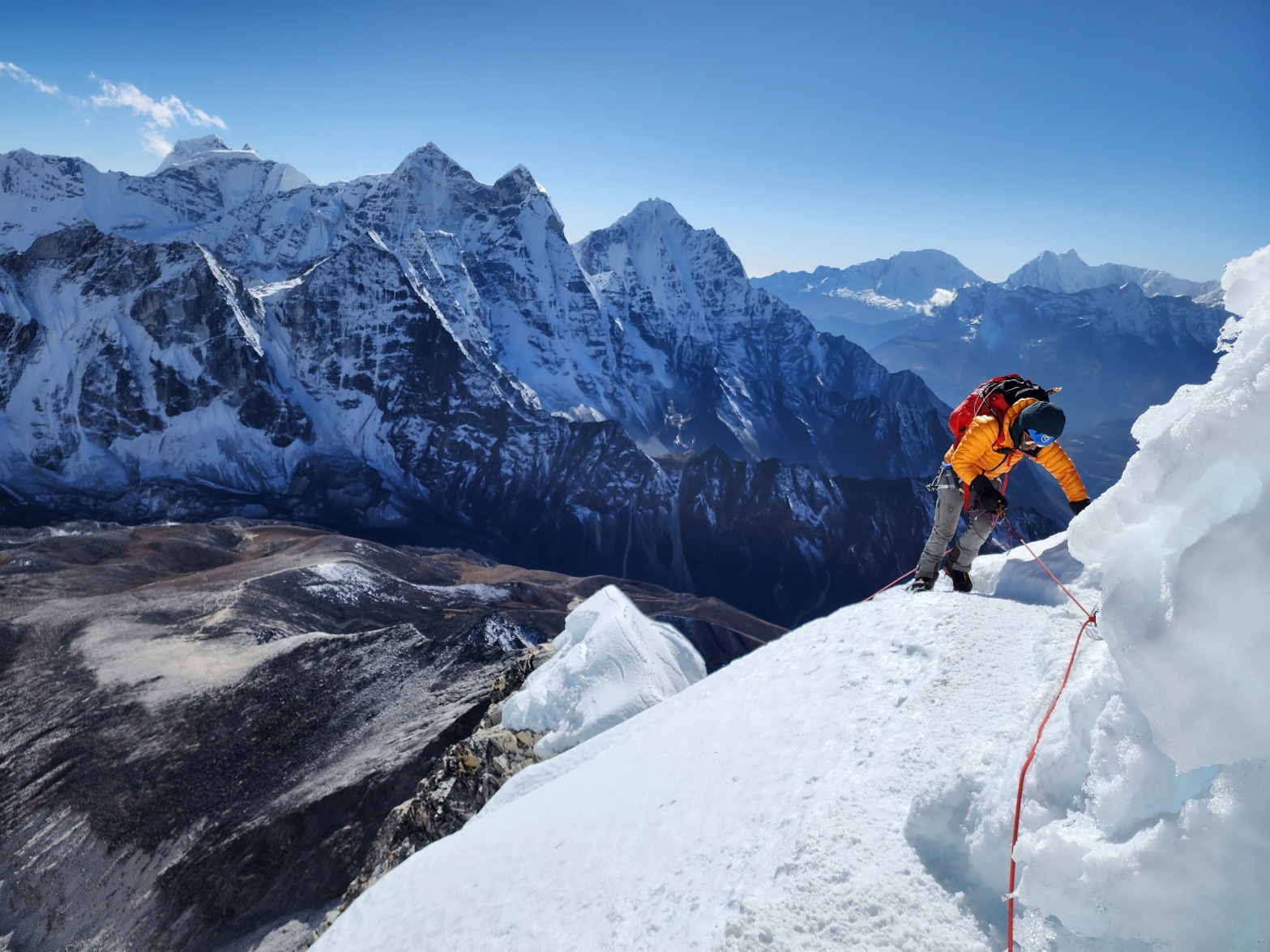
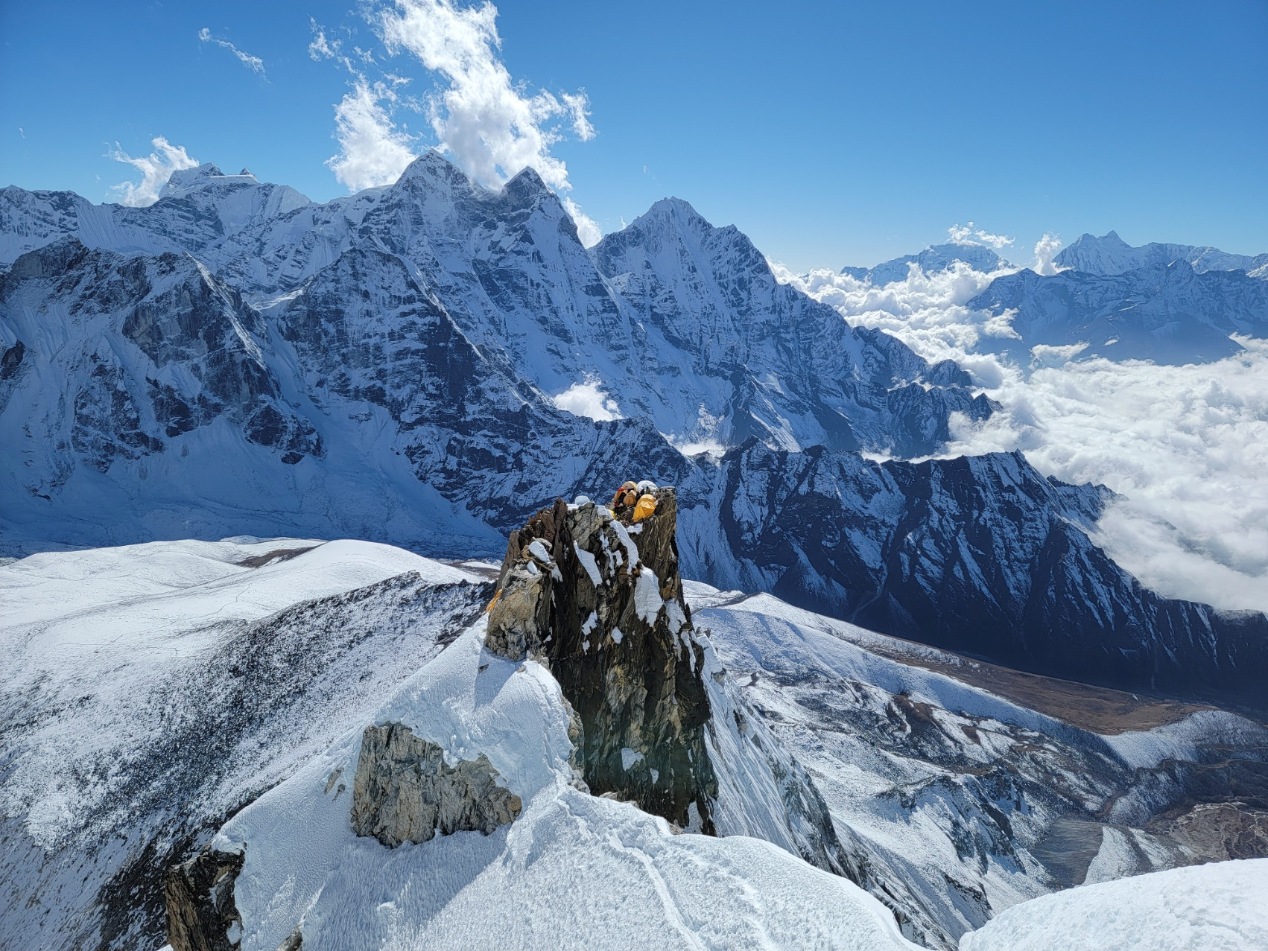
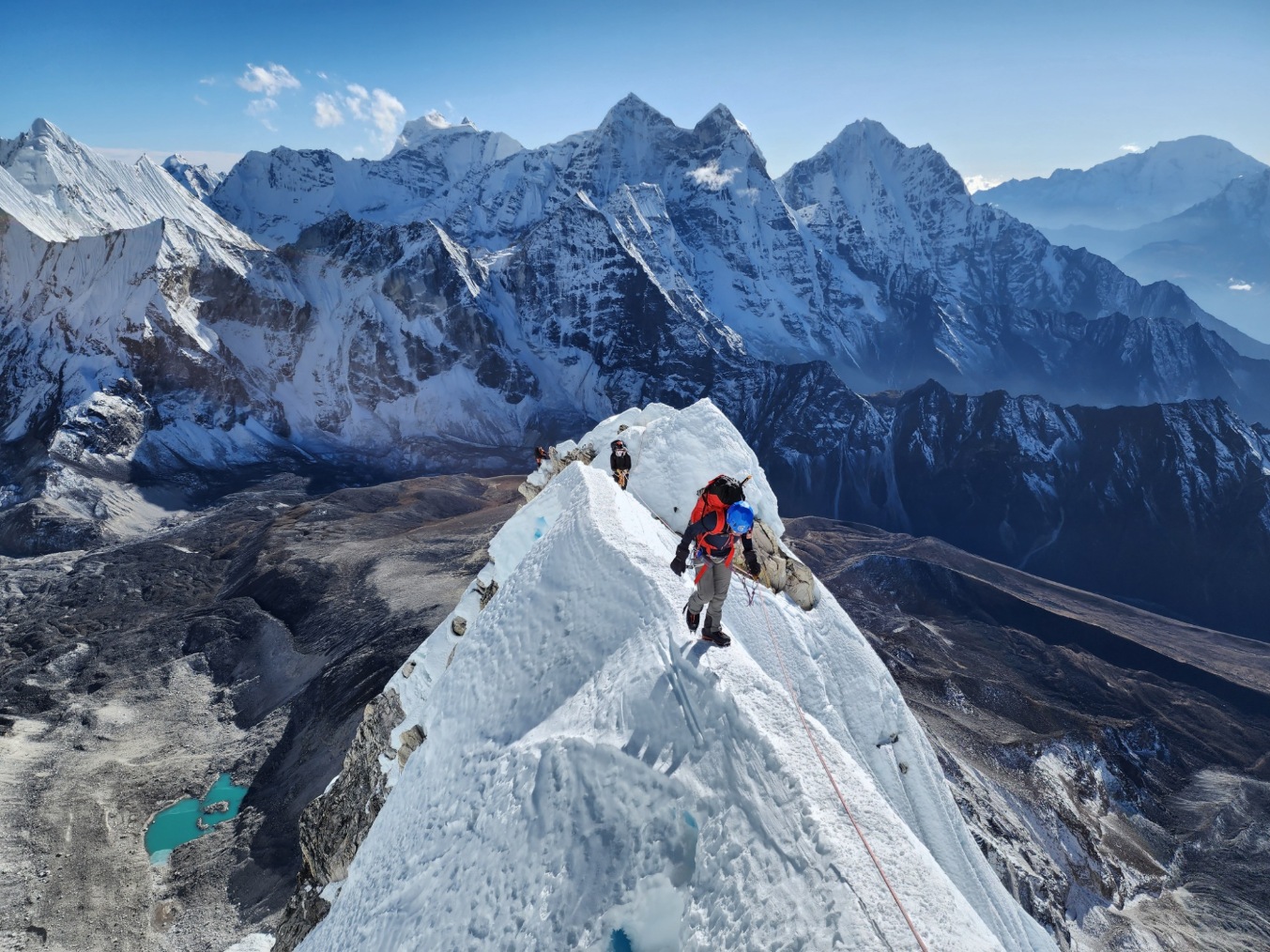
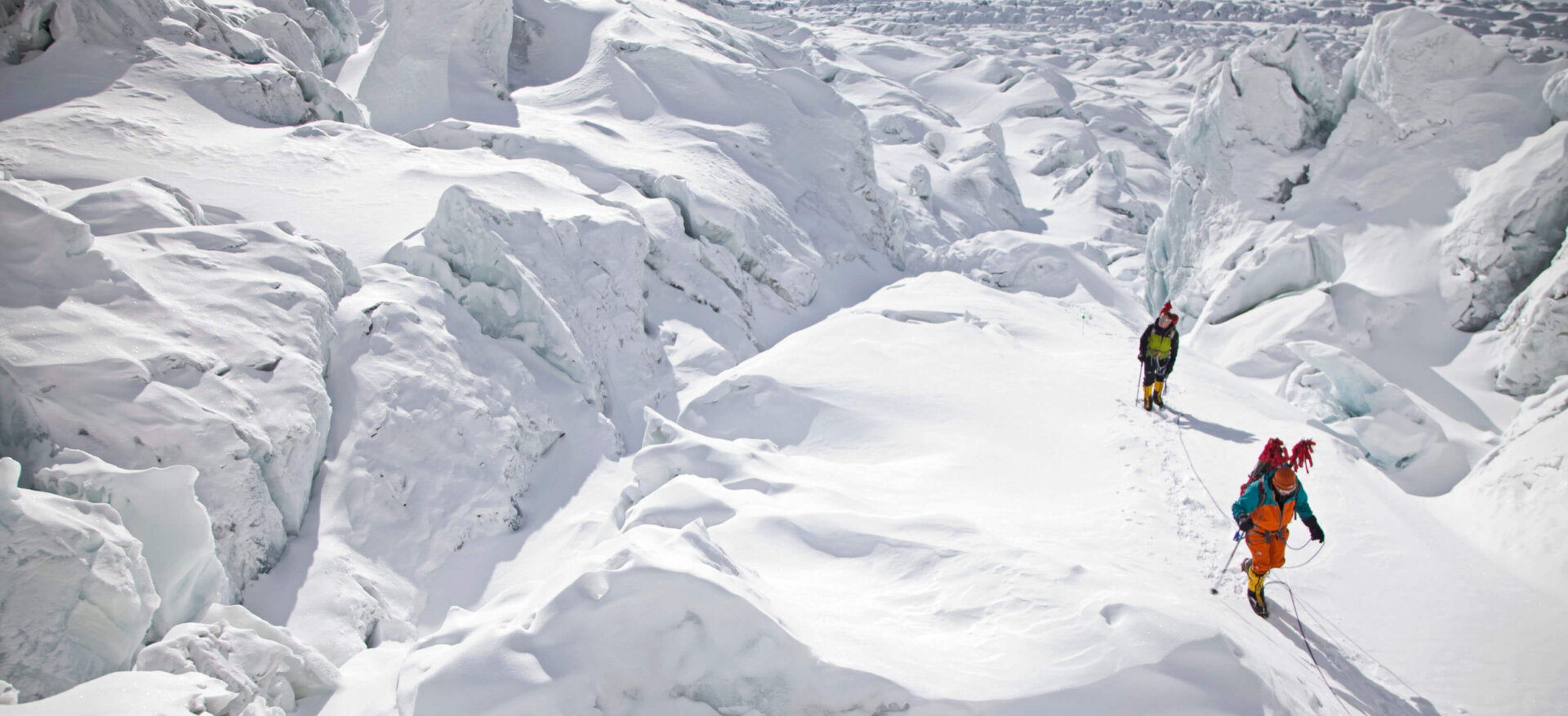
Fun rock climbing from Camp 1 to Camp 2 as we continue on to new terrain. The climb from Camp 2 to Camp 2.7 is mostly ice and mixed climbing, and includes some of the toughest pitches of the whole climb, including the steep and difficult Grey Tower. Just before reaching Camp 2.7 we cross the mushroom ridge, a series of cornices and ice sculptures glued precipitously onto a knife-edge rock ridge. It is a section of climbing you will never forget! We build Camp 2.7 on the Mushroom Ridge in order to avoid any serac (icefall) danger from the Dablam that has endangered the traditional Camp 3 in previous years.
- Day 9
- Summit day! (22,525 feet / 6866m)
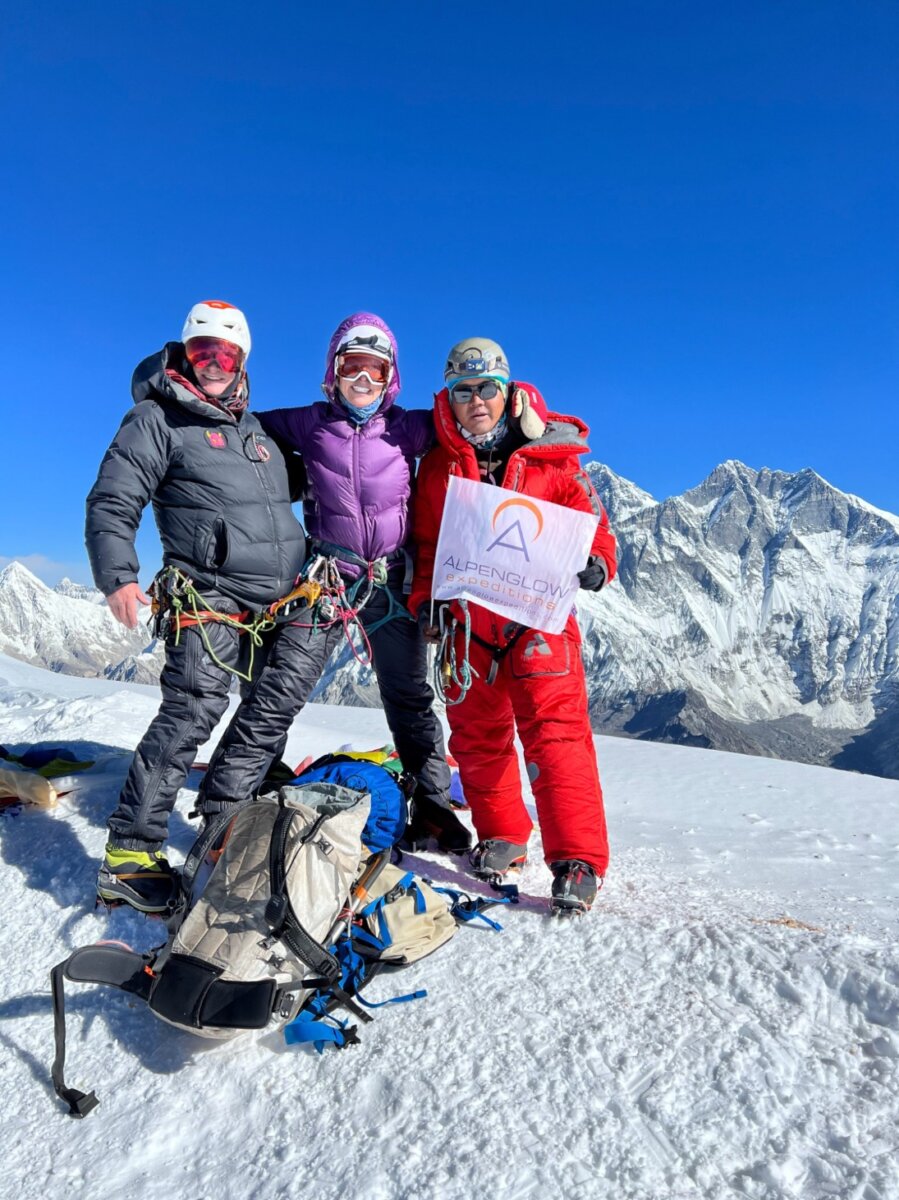
The climb from Camp 2.7 to the summit is actually technically easier than anything prior to it. However, we will be dealing with extremely high altitude and cold temperatures. Generally we do not leave camp until daybreak, making things warm enough to climb the steep ice and snow to the summit. The views are staggering; we will be able to see six 8,000-meter peaks, including Everest, Lhotse, and Makalu. Depending on the team’s strength we will descend to Camp 2.7, or all the way to Camp 1.
- Days 10 – 11
- Extra Summit Day’s
These are built in days that we can utilize for weather, extra acclimatization or any other reason we see fit.
- Day 12
- Fly via Helicopter to Kathmandu
After our summit bid, we are greeted back in base camp by a helicopter that will carry us quickly over the Khumbu Valley and back to civilization in Kathmandu.
- Day 13
- Extra day to Explore Kathmandu
This day is also built into our itinerary if we need an extra weather day for the helicopter to fly. If we do end up in Kathmandu the prior day, this extra day can be used to explore Kathmandu even further.
- Day 14
- Depart Kathmandu
After a final group breakfast, return to the airport to catch international flights home.
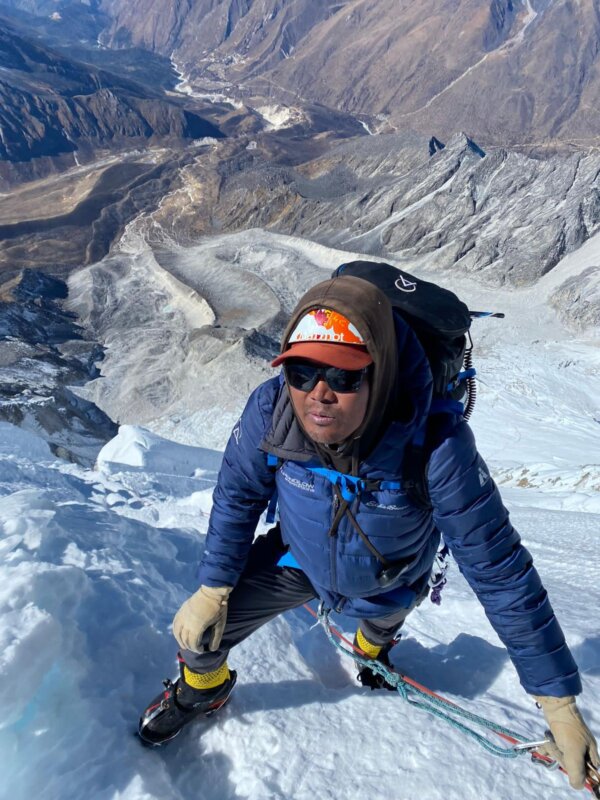
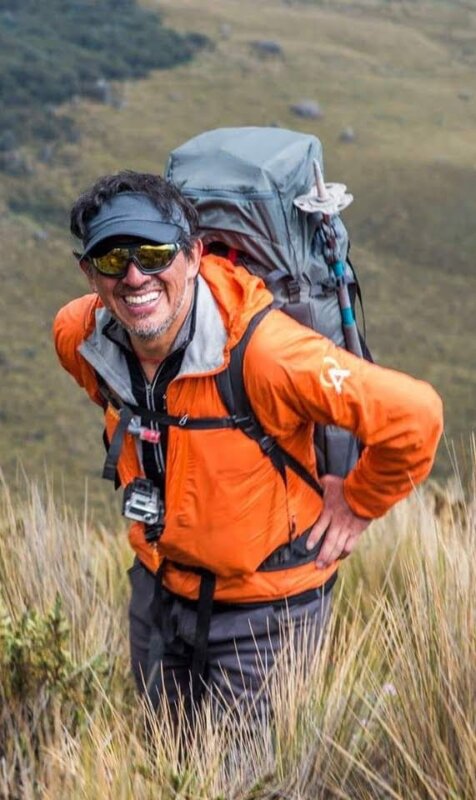
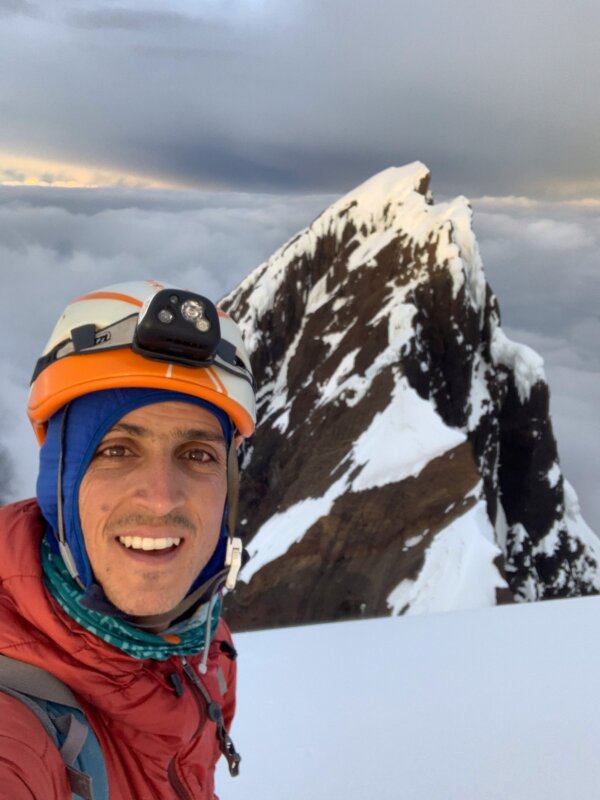
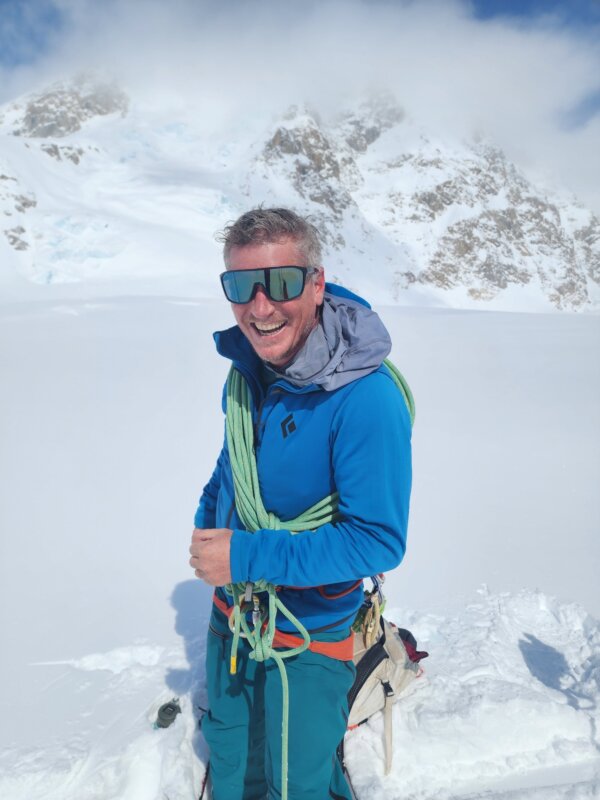
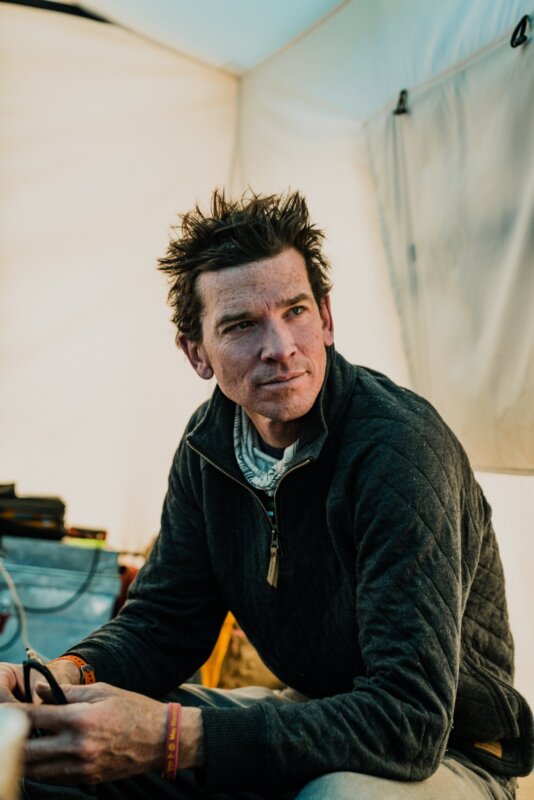
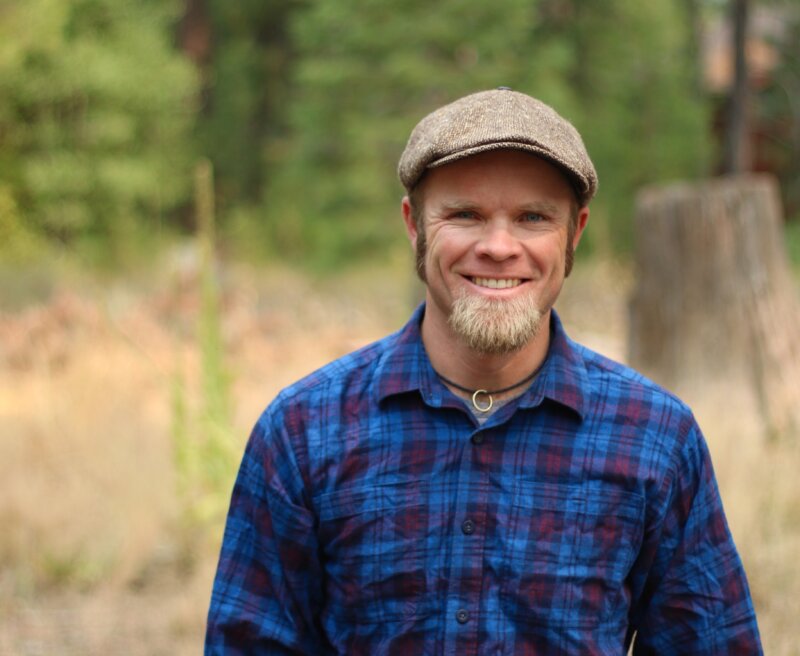
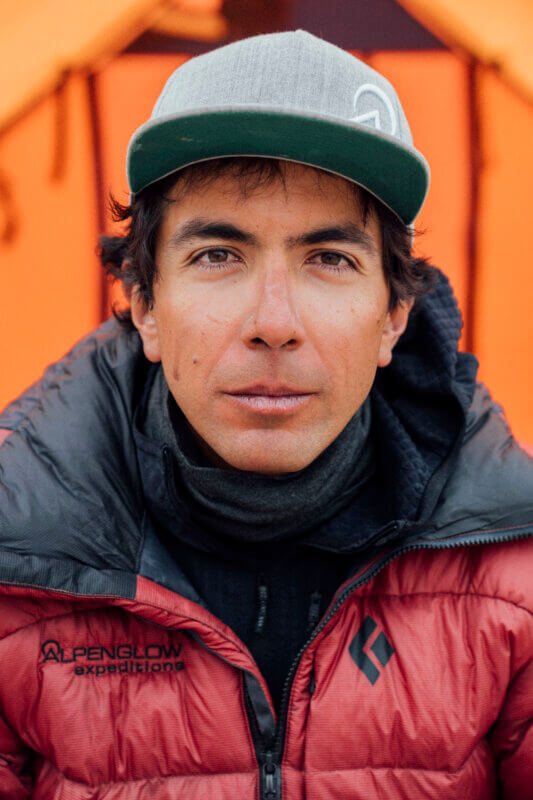
Our Ama Dablam Guides
Ama Dablam Rapid Ascent™ FAQ’s
Ama Dablam Equipment List


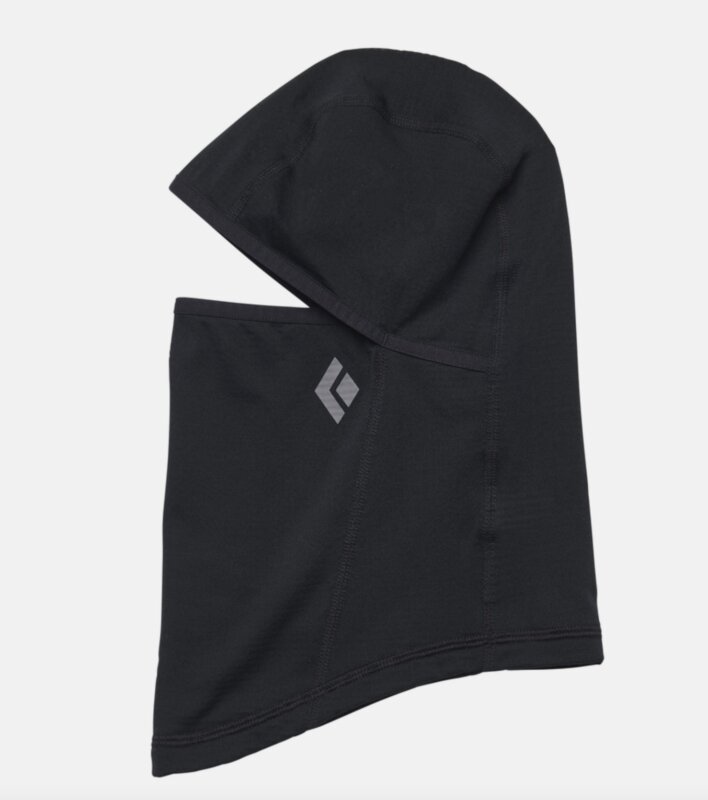


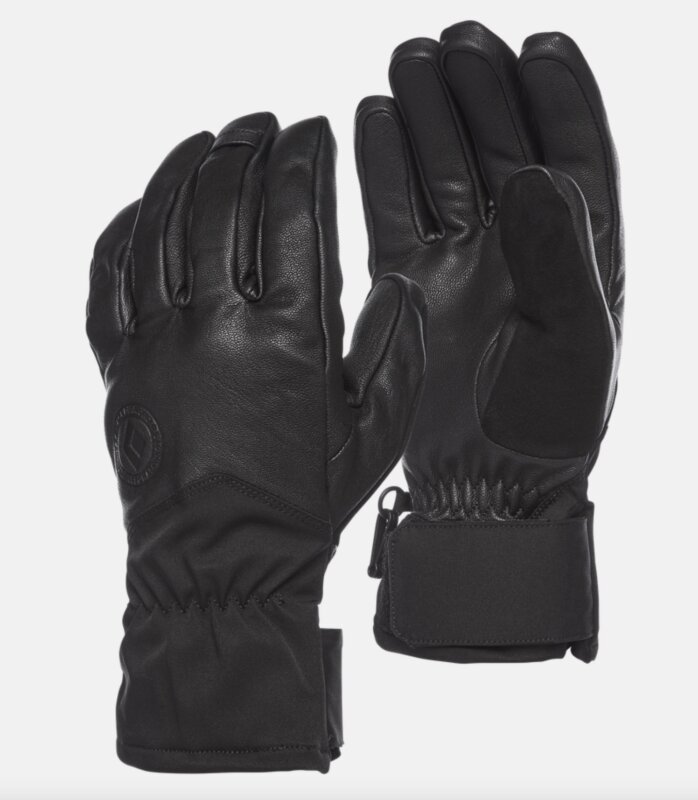
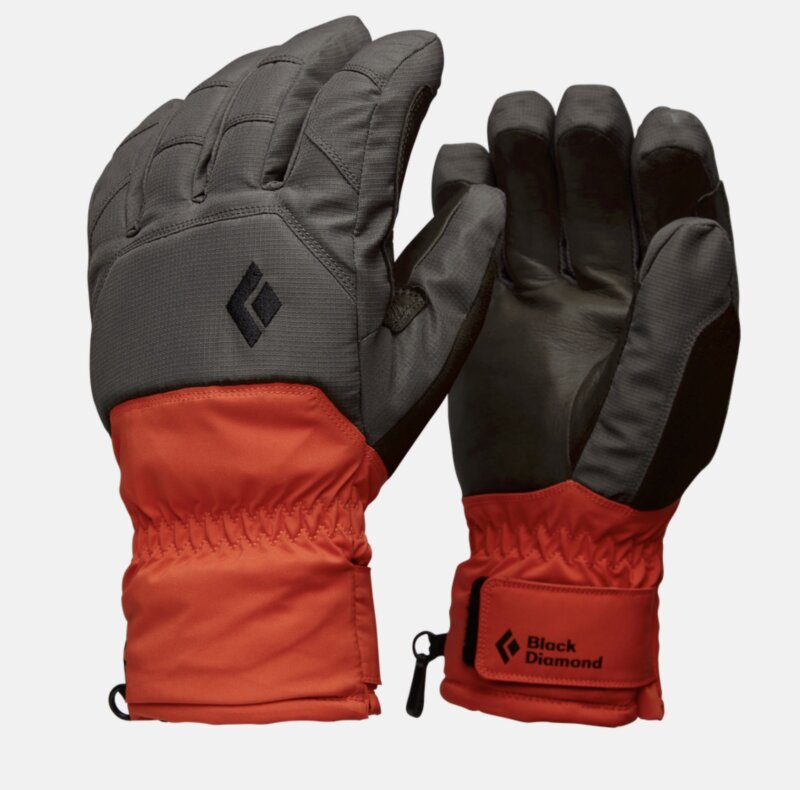
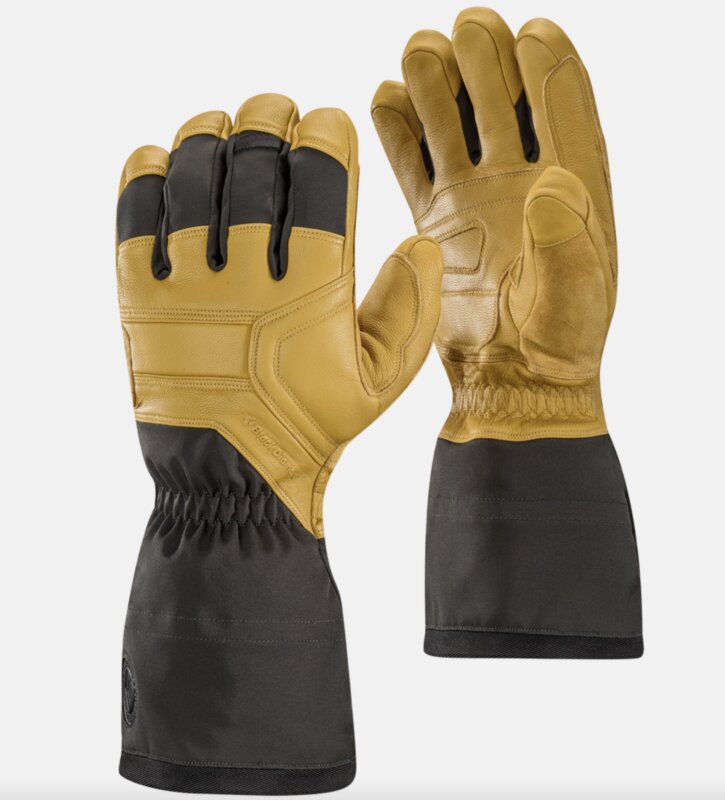
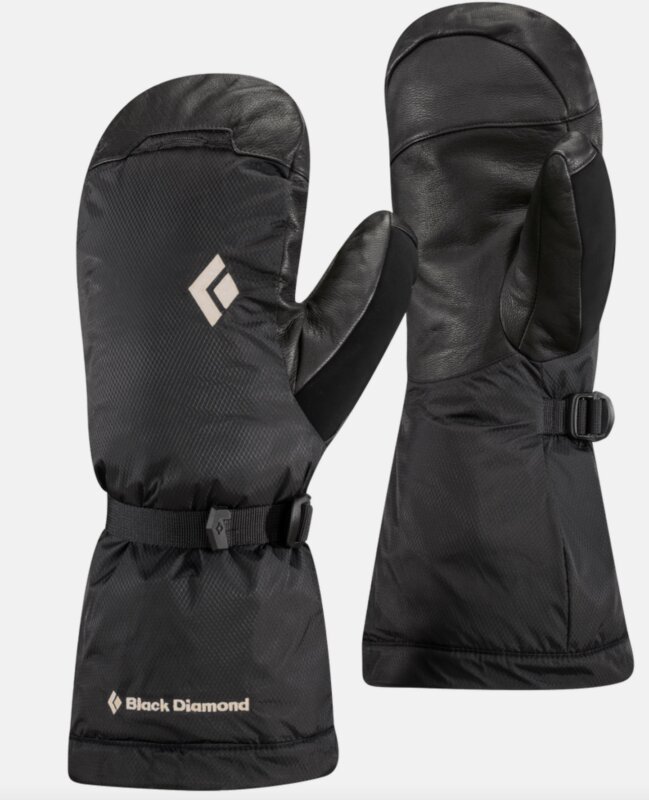

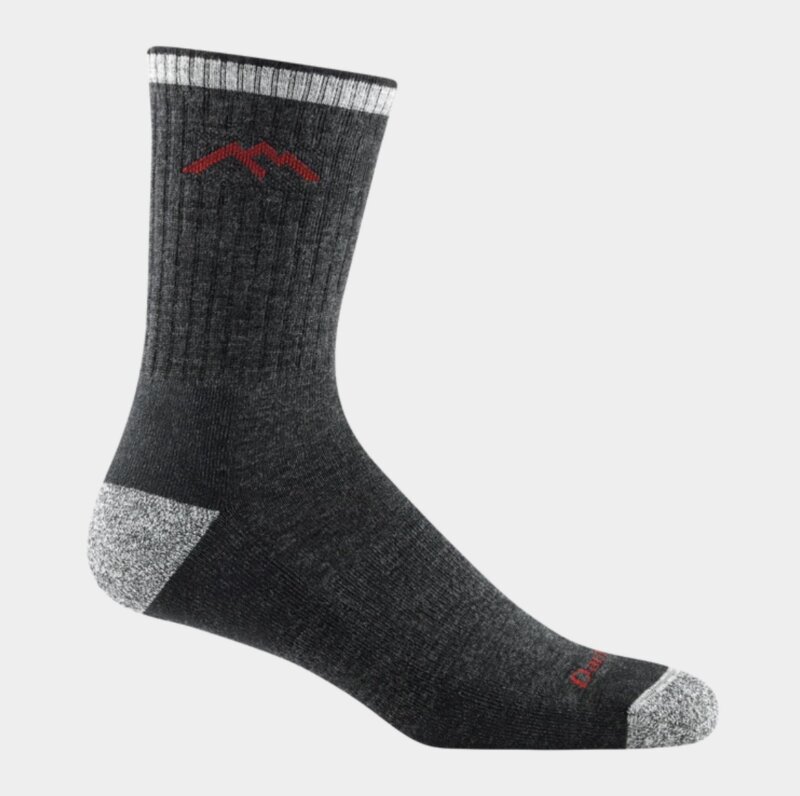



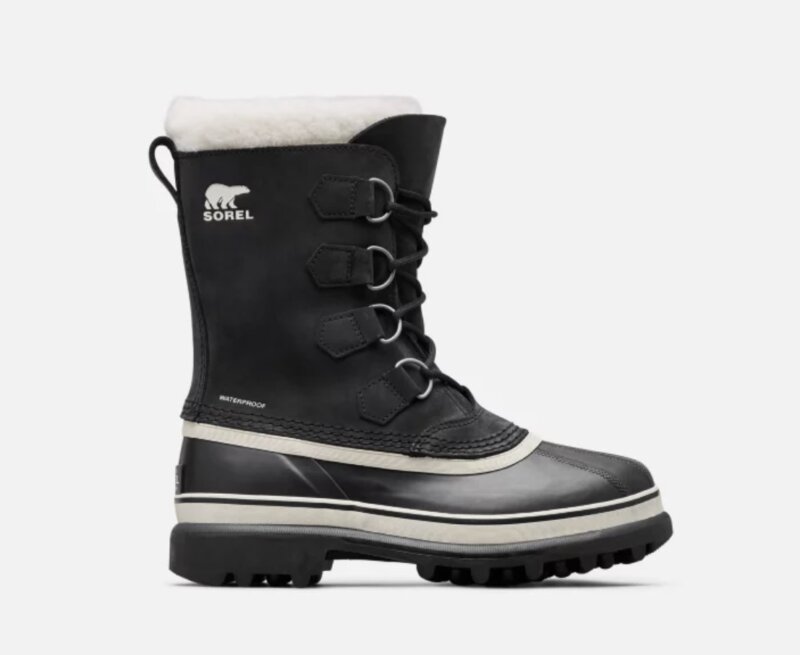
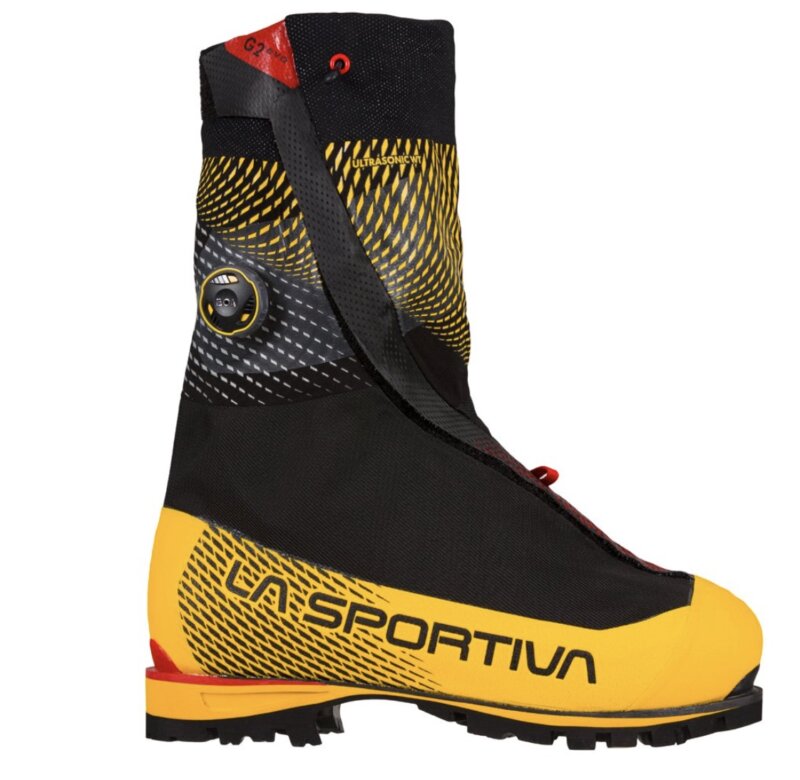
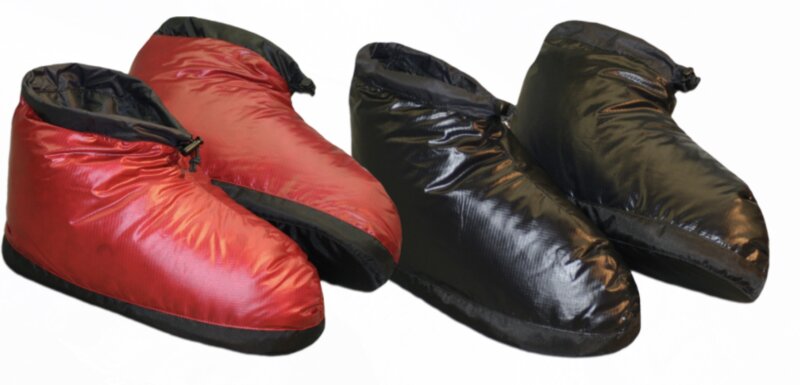












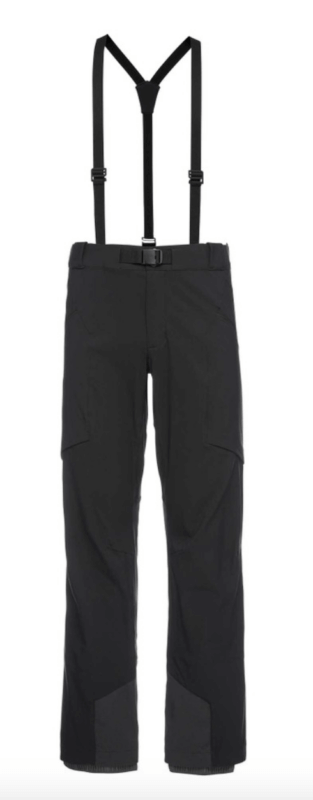
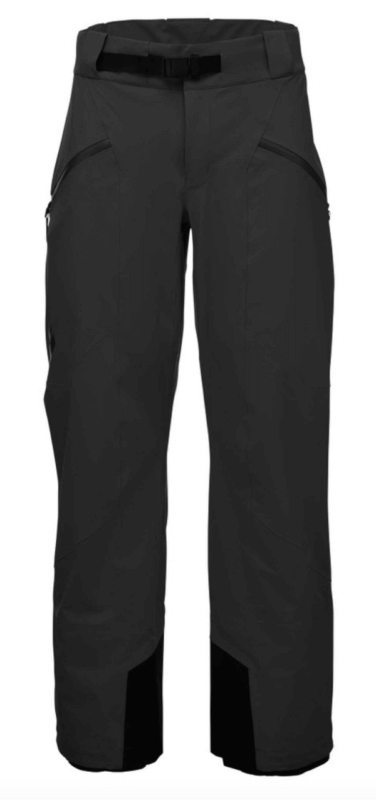
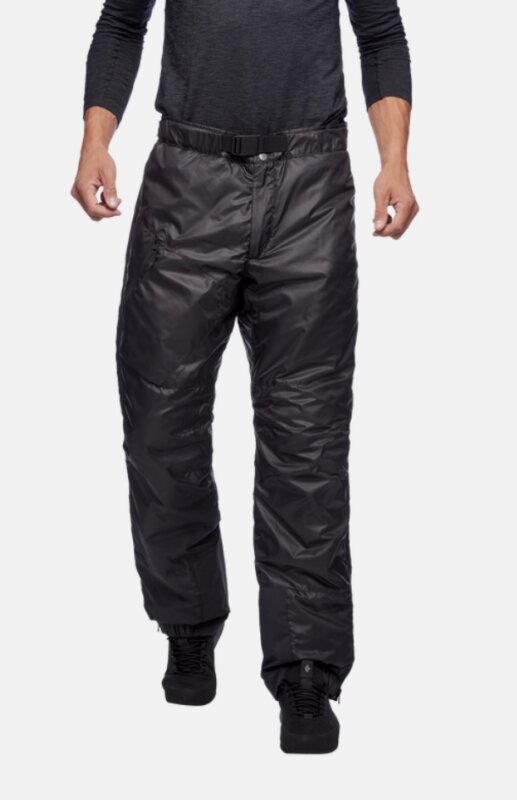
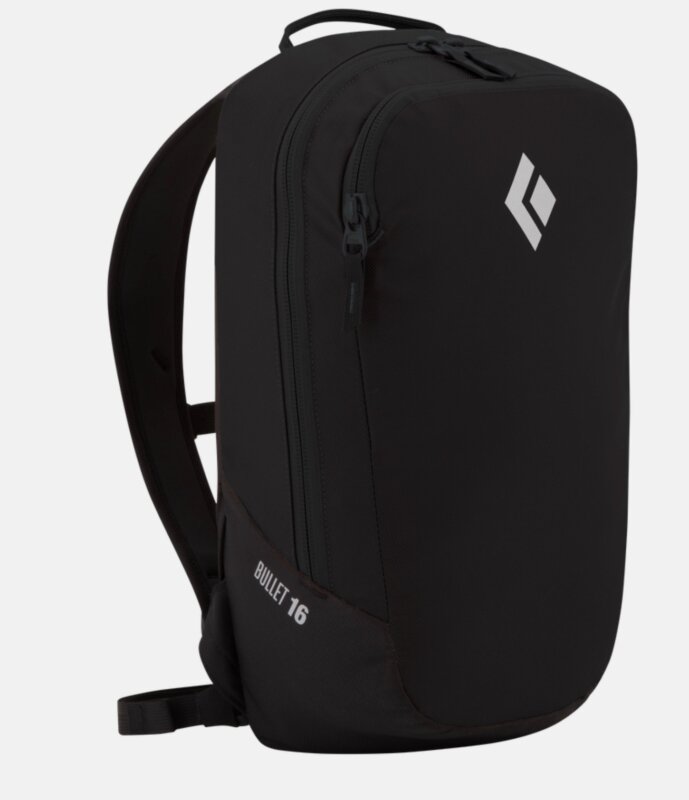
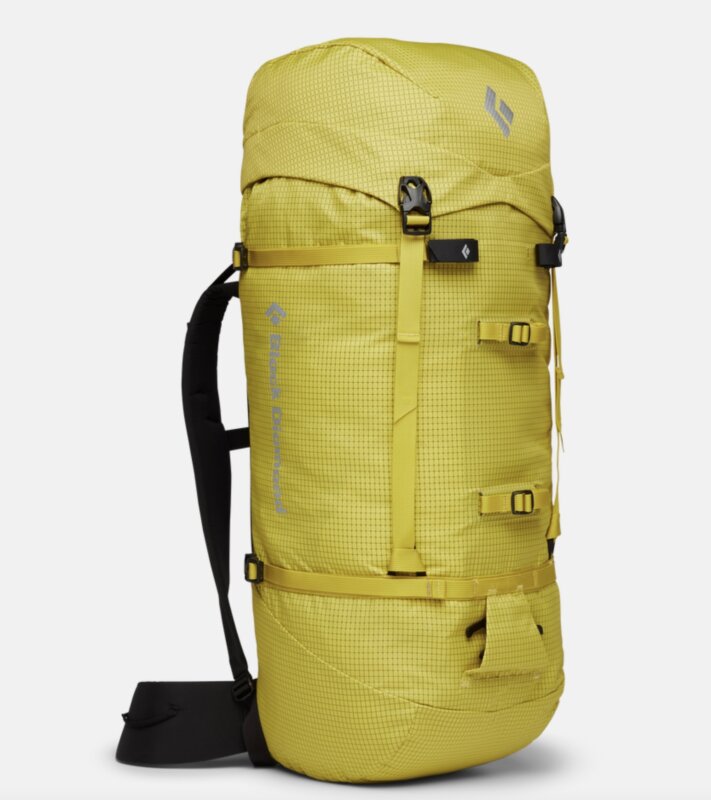





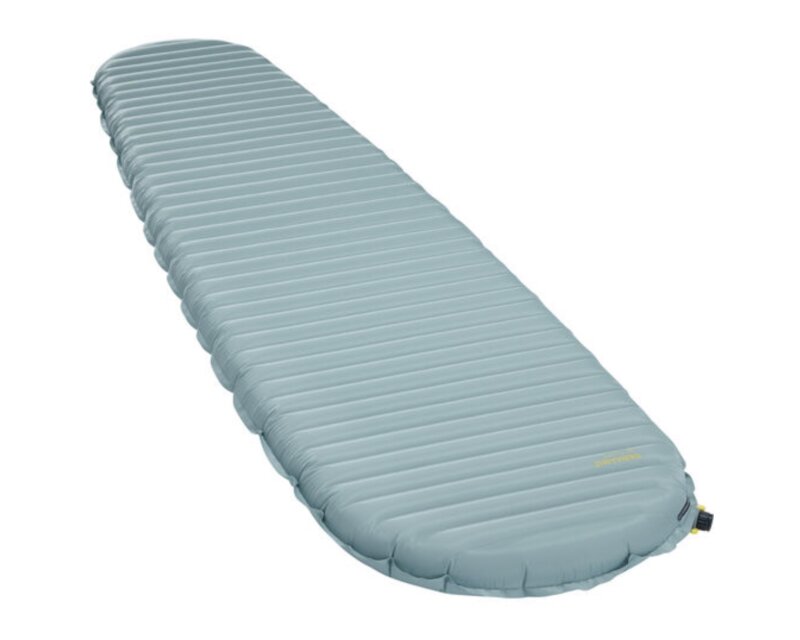
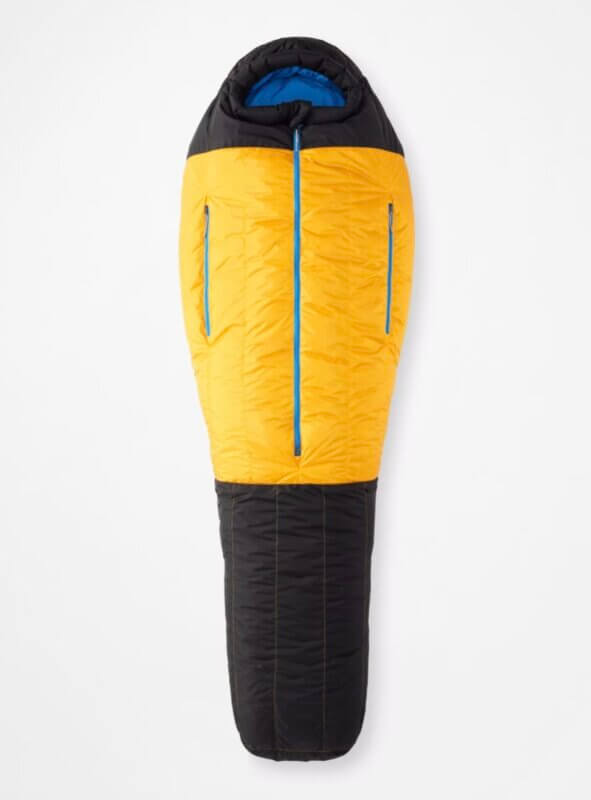


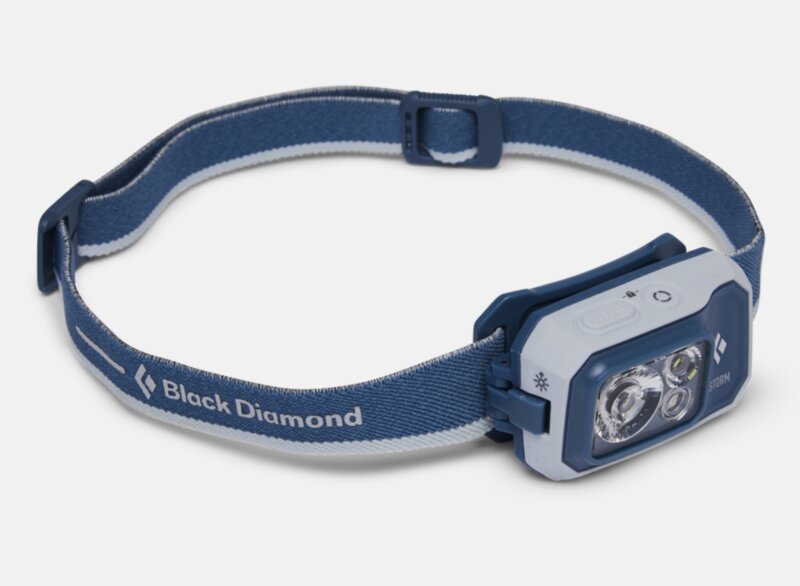
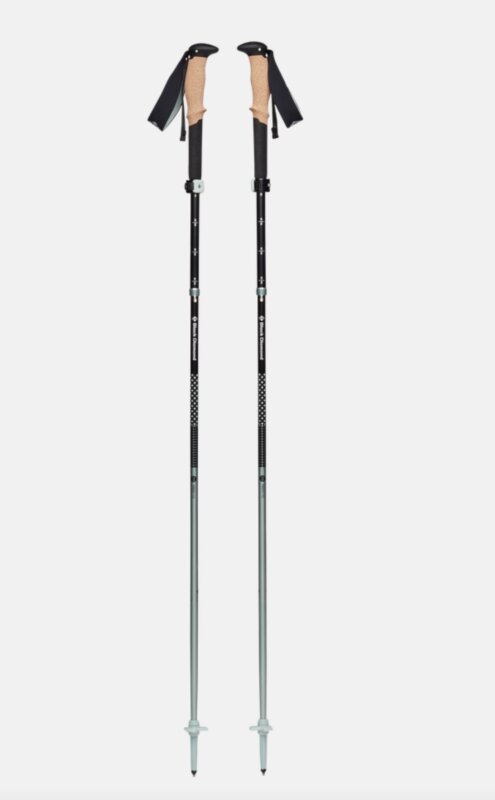
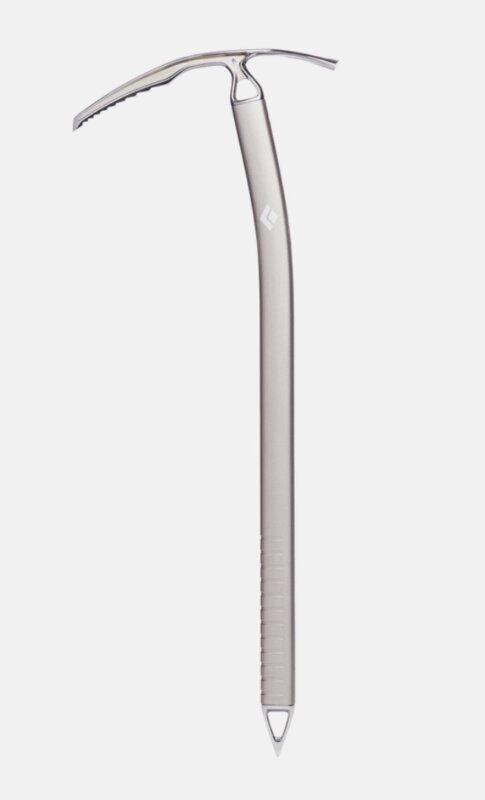
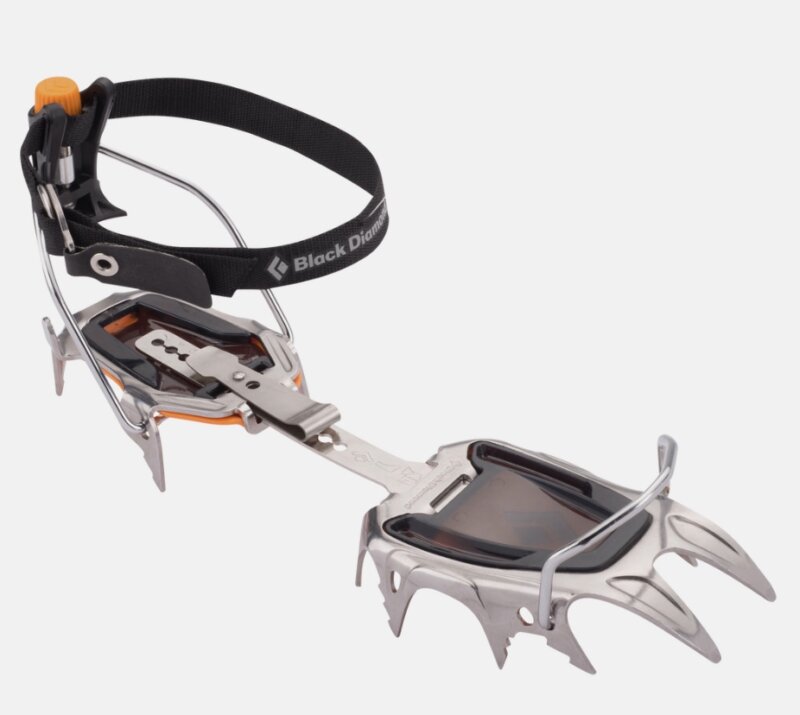
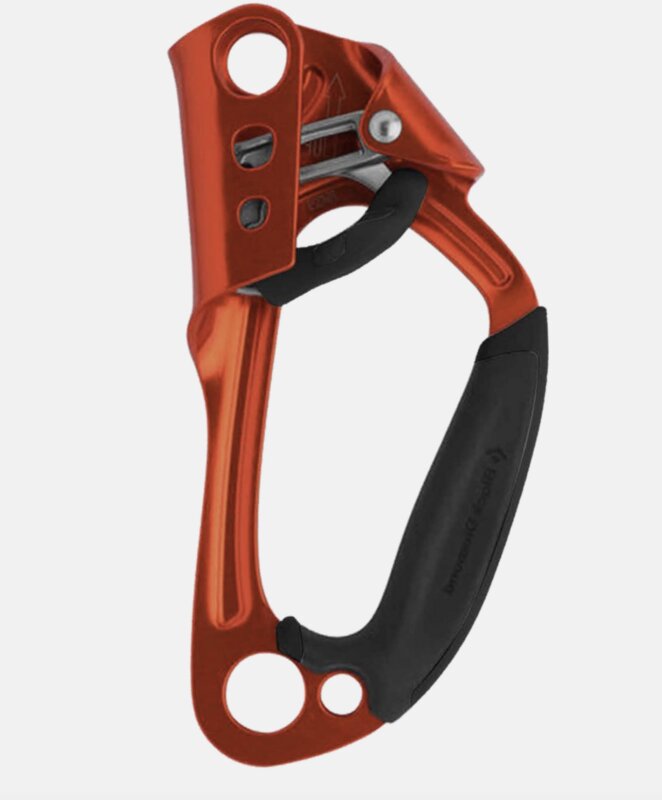
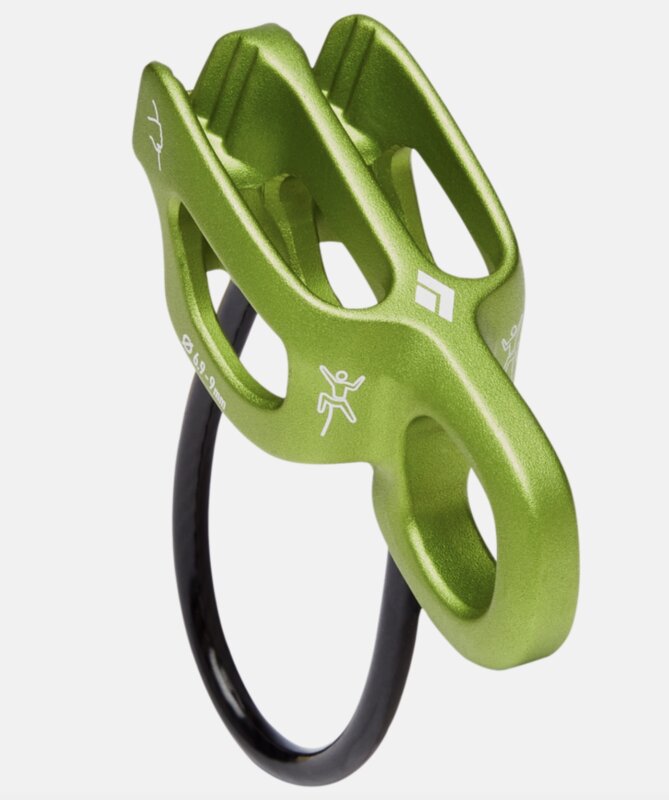
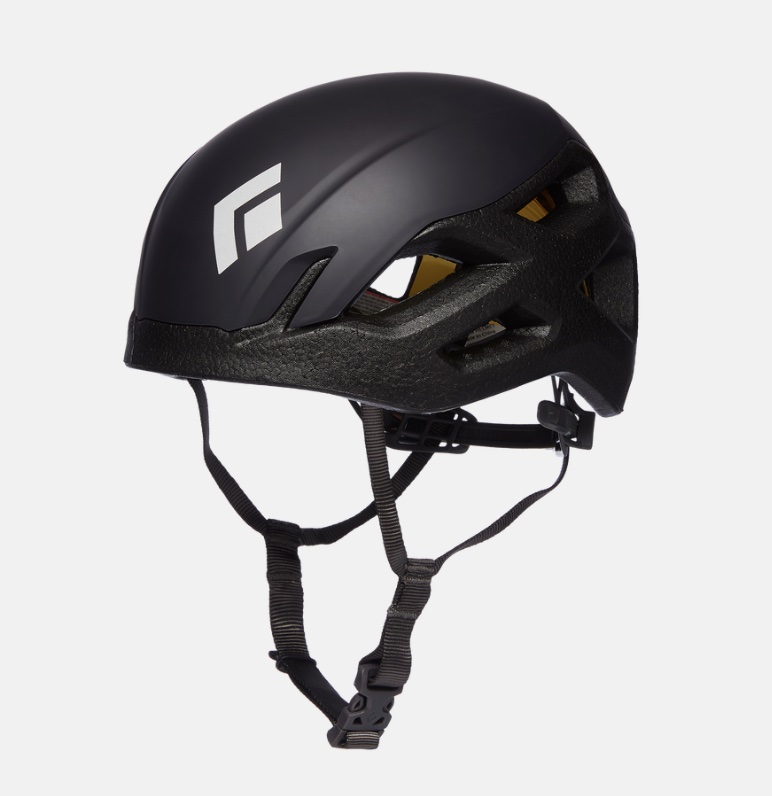
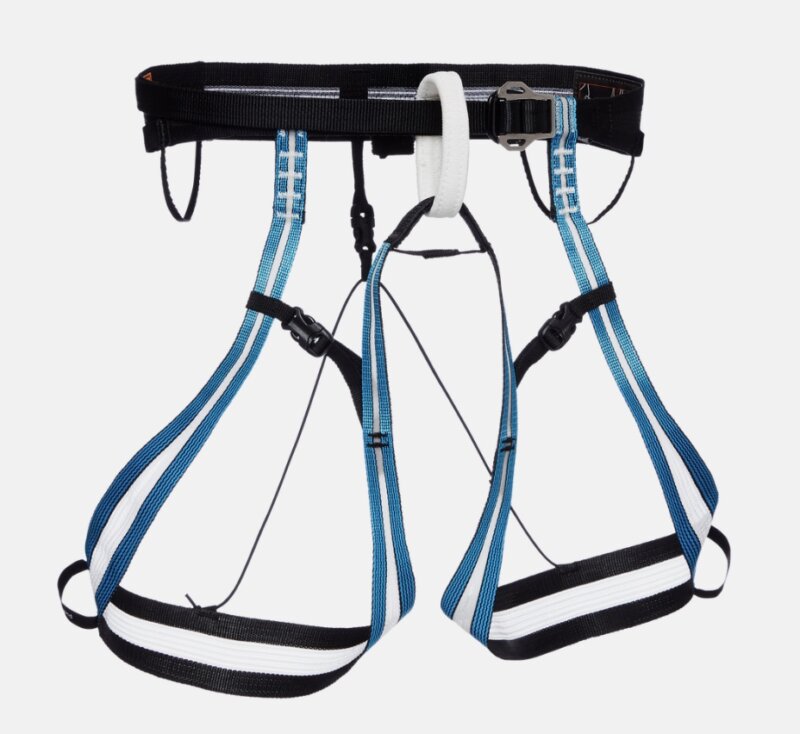
- 28.099722°N , 86.66°E
- 63.0692° N, 151.0070° W
- 27.7172° N, 85.3240° E